


The Fragrance Wardrobe: Why 2026 Style Is Becoming Something You Layer, Not Just Wear
The old fantasy of fragrance was simple: find one signature scent and let it become part of your identity. It was elegant, memorable and slightly severe. In 2026, that idea feels less convincing. Many consumers are treating fragrance less like a permanent name tag
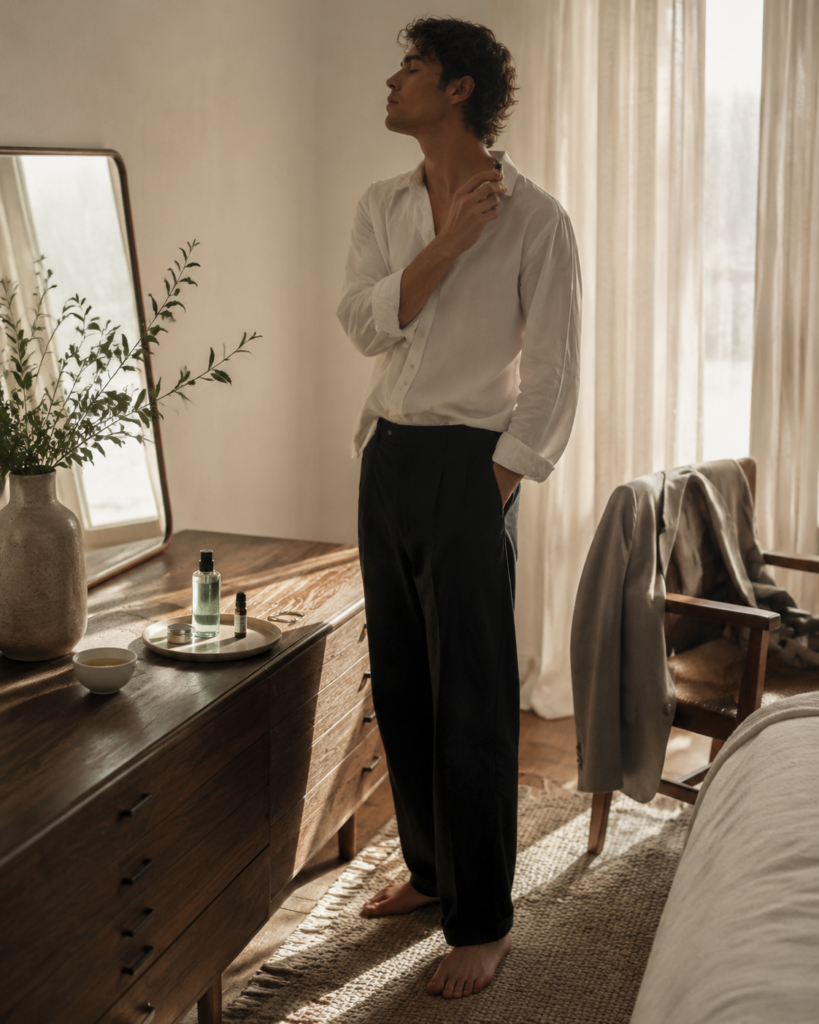
The old fantasy of fragrance was simple: find one signature scent and let it become part of your identity. It was elegant, memorable and slightly severe. In 2026, that idea feels less convincing. Many consumers are treating fragrance less like a permanent name tag and more like a wardrobe: something to layer, rotate, soften, intensify or change according to weather, mood, body chemistry and where the day is going.
That shift matters for fashion because scent is starting to behave like styling. A shirt changes meaning when it is worn open instead of buttoned. A black dress changes when it is paired with flat sandals instead of heels. In the same way, a clean musk, green tea mist, tomato-leaf perfume, vanilla skin scent or sharp citrus can alter the emotional temperature of an outfit without changing the outfit itself. Fragrance is not visible, but it changes the way clothing is inhabited.
Vogue’s 2026 fragrance trend report captures this change clearly. Nordstrom beauty director Autumne West described a growing openness to exploration, layering and using fragrance like an accessory that can shift with mood, moment or season. The report also pointed to the body mist boom, niche perfume curiosity and unusual notes such as matcha as signs that fragrance is becoming more flexible and less tied to a single formal perfume bottle. That is the key cultural move: scent is no longer only a finishing touch. It is becoming part of how people build a daily look.
The rise of body mists is especially revealing. For a long time, they were associated with teenage bathrooms, mall nostalgia and light sweetness. Their return is different because many current versions sit inside a broader body-care ritual: shower, lotion, hair mist, soft fragrance, reapplication. This is not the old idea of perfume as one dramatic cloud before leaving the house. It is fragrance as texture, closer to knitwear than eveningwear. It can be intimate, practical and adjustable.
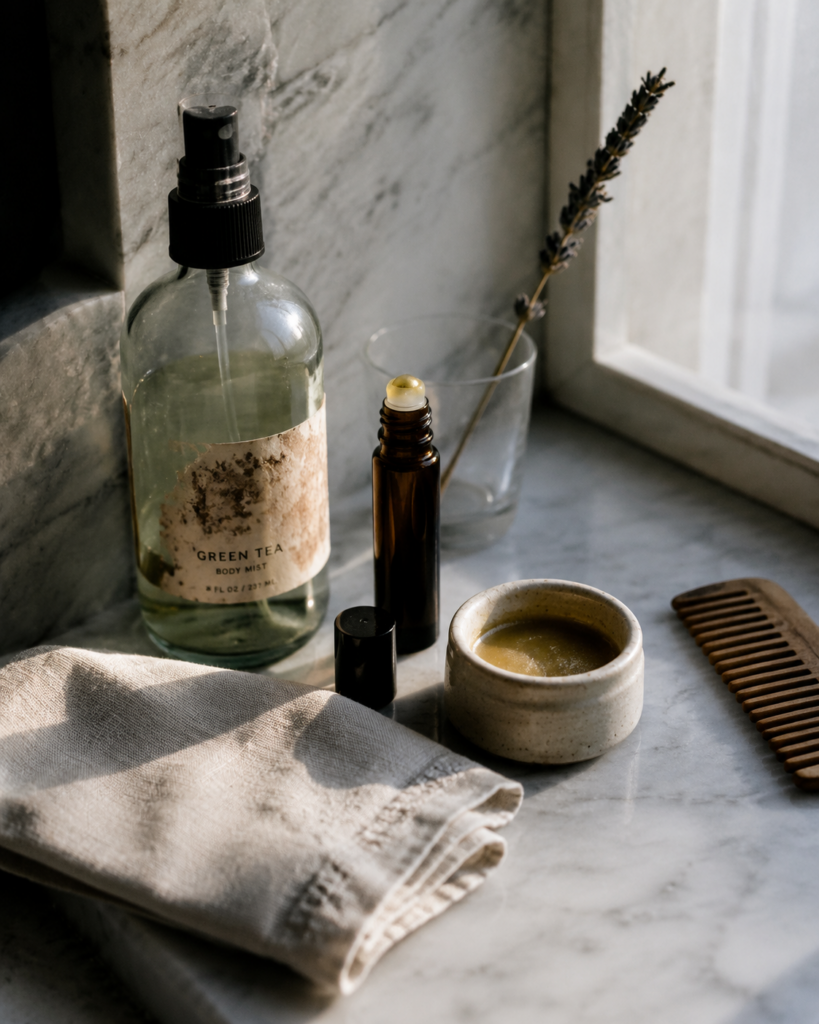
This also explains why the phrase “fragrance wardrobe” has become useful. A wardrobe is not a pile of random things. At its best, it is a system of choices that answer different needs. A person may want something barely there for work, something saltier for heat, something powdery for a quiet evening, something green after exercise, something deeper for a coat in winter and something nostalgic for a trip home. Scent becomes a way to edit presence. It says not only “this is who I am,” but “this is how I want to feel in this version of my day.”
The market context supports the change. McKinsey’s June 2026 State of Beauty report projected the global beauty market to grow 5 percent annually through 2030 and noted that fragrance is expected to surpass color cosmetics to become beauty’s third-largest category. That does not make fragrance immune to hype, but it shows why fashion brands, beauty brands and retailers are paying attention. In a period when many shoppers are selective about clothing purchases, scent offers emotional novelty at a smaller physical scale.
That smaller scale is both the opportunity and the trap. A fragrance can refresh a wardrobe without adding another garment. It can make a white shirt feel cleaner, a vintage jacket feel warmer, a linen dress feel greener, or a winter coat feel more sensual. But it can also become another form of micro-consumption: ten small bottles bought to avoid choosing, body mists collected because they are cheaper than clothes, niche samples treated like endless mood changes. The fragrance wardrobe is useful only if it creates clarity, not clutter.
Affordability complicates the story in an interesting way. Allure reported in July 2026 that Gap is reintroducing its 1990s fragrance line with modern interpretations of Dream, Heaven, Om and Grass, plus a new scent called Harmony. That kind of relaunch shows how scent can carry memory without requiring luxury pricing. High-street fragrance, celebrity fragrance and niche discovery are now part of the same conversation because consumers no longer read price as the only signal of taste. A $35 scent can feel personal if it has the right memory, texture or seasonal role.
At the same time, the body changes fragrance more than it changes most accessories. Climate, skin chemistry, sweat, hair texture, fabric and proximity all matter. A scent that feels soft in a cold office may become heavy in humid heat. A green perfume may feel crisp on one person and sharp on another. A vanilla body mist may read comforting on skin but cloying on synthetic fabric. This is where fragrance becomes more intimate than fashion: it cannot be judged only on a bottle, a review or a campaign image. It has to live on the body.

Global habits also vary. In hot climates, lighter mists, citrus, tea, aquatic, herbal or sheer musk profiles often make more practical sense than dense amber or oud worn heavily in the daytime. In colder cities, richer resins, woods, powder and leather notes may feel more connected to coats, knitwear and indoor evening routines. In workplace cultures with scent sensitivity or crowded commuting, restraint is not just politeness; it is part of style. A fragrance wardrobe has to consider other people sharing the air.
That last point is important. The most sophisticated scent choice is not always the strongest one. Fashion has spent years teaching people to read impact through visibility: brighter color, larger logo, more dramatic silhouette, more obvious styling. Fragrance teaches a quieter discipline. Projection, sillage and longevity are not automatically virtues. Sometimes the better choice is something that stays close, appears only in movement, or disappears before it overwhelms the room.
For readers, the practical lesson is to think in roles rather than trends. Instead of asking which perfume is “in,” ask what kind of scent your life actually needs: a clean everyday base, a heat-friendly mist, a soft evening layer, a memory scent, a travel-size comfort, or one expressive note that changes familiar clothes. Three or four well-chosen scents can do more than a crowded shelf because they become associated with real situations rather than algorithmic desire.
The most shareable takeaway is this: in 2026, personal style is no longer only visual. It is atmospheric. Clothes still create the outline, but scent changes the space around the body. A good fragrance wardrobe does not replace a clothing wardrobe. It makes the clothes feel more lived in, more specific and sometimes more emotionally accurate. The future of signature scent may not be one bottle forever. It may be knowing which layer belongs to which life.