


Fashion Finally Put Older Women on the Runway. Now It Has to Dress Them
For decades, fashion's runway was one of the most reliably ageist spaces in the culture: an endless parade of teenagers selling clothes that would, more often than not, be bought by women twice their age. Fall/Winter 2026 changed the picture in a way that
For decades, fashion’s runway was one of the most reliably ageist spaces in the culture: an endless parade of teenagers selling clothes that would, more often than not, be bought by women twice their age. Fall/Winter 2026 changed the picture in a way that is hard to miss. Stephanie Cavalli, a 50-year-old former model with grey-streaked hair, opened Chanel’s couture show — and then its ready-to-wear show — under Matthieu Blazy. Kate Moss closed Gucci at 52, Gillian Anderson closed Miu Miu at 57, and Lesley Manville walked for Burberry at 69. For the first time in a long while, the runway looked closer to the people who actually pay for what is on it.
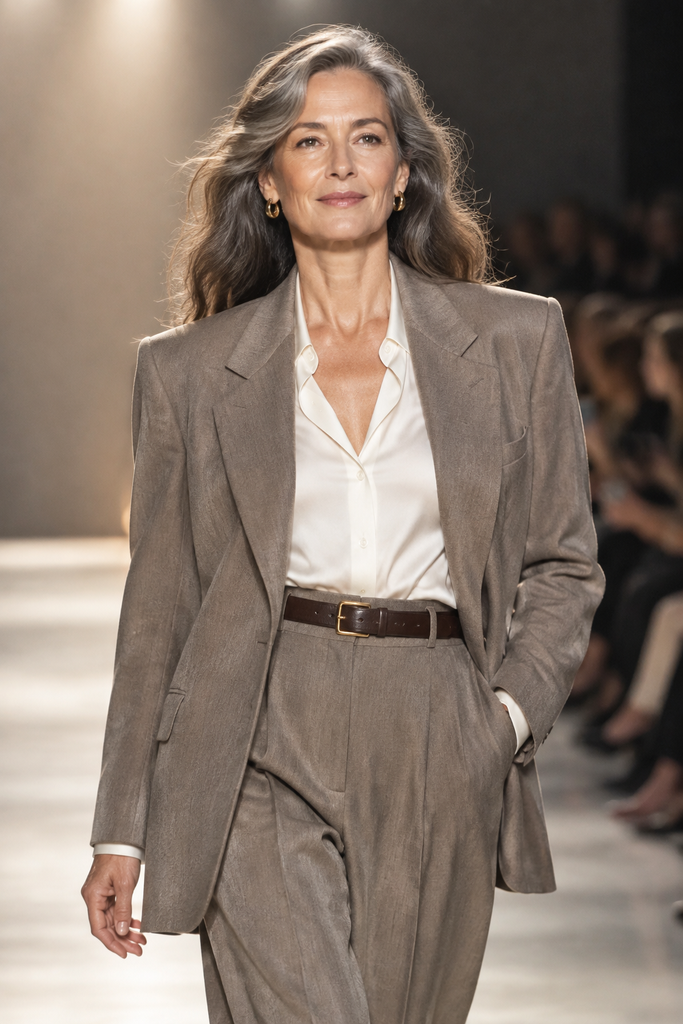
The reason is not sentiment; it is arithmetic. Consumers over 50 hold the majority of personal wealth in markets like the United States, where they are reported to control around 72% of it, and they are expected to drive nearly half of global fashion spending growth. Brands have not suddenly become enlightened — they have finally noticed who keeps the lights on. The awkward part is what this exposes: a customer who holds almost all of the money, and who — until this season — received almost none of the attention. The same arithmetic runs through menswear, but the visible story has so far been told in women’s clothes.
The visibility is real and worth acknowledging. Tracking data reported by Tagwalk found that all of the top 20 luxury houses cast at least one older model during the 2026 season, and these are not tokens — they are women chosen for how they look, not in spite of it. But notice what “how they look” still means. The older models now on runways overwhelmingly conform to a narrow, youthful standard: thin, taut, sculpted, only lightly lined. Fashion has aged its faces without much aging its idea of what a woman in a dress should look like.
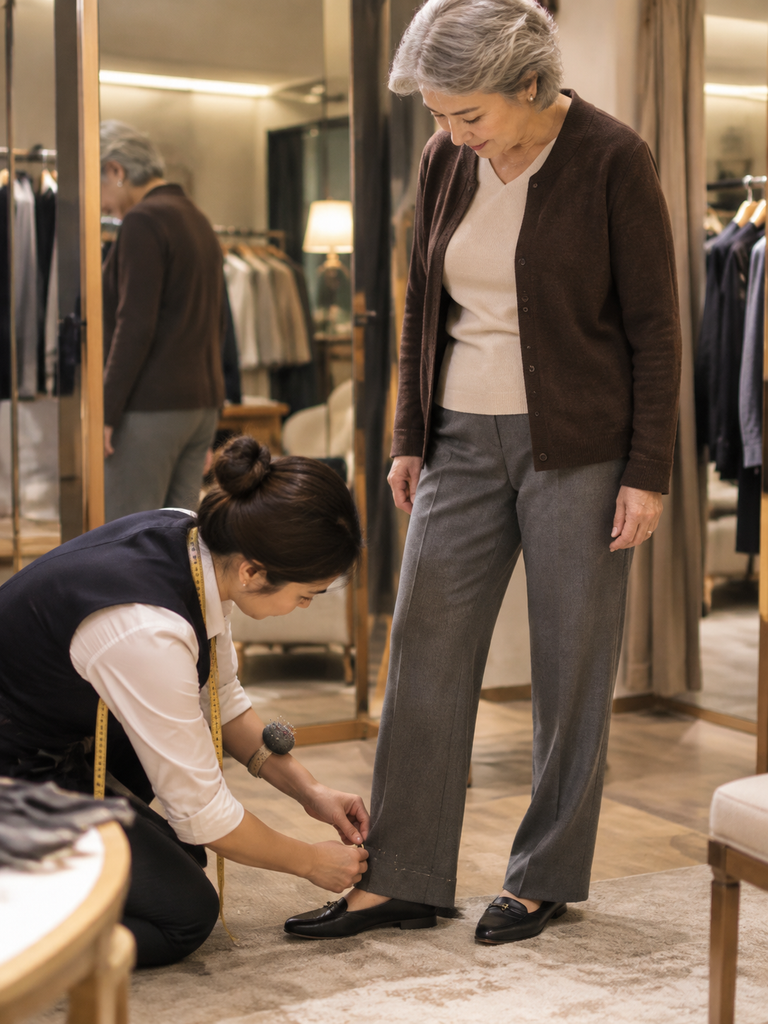
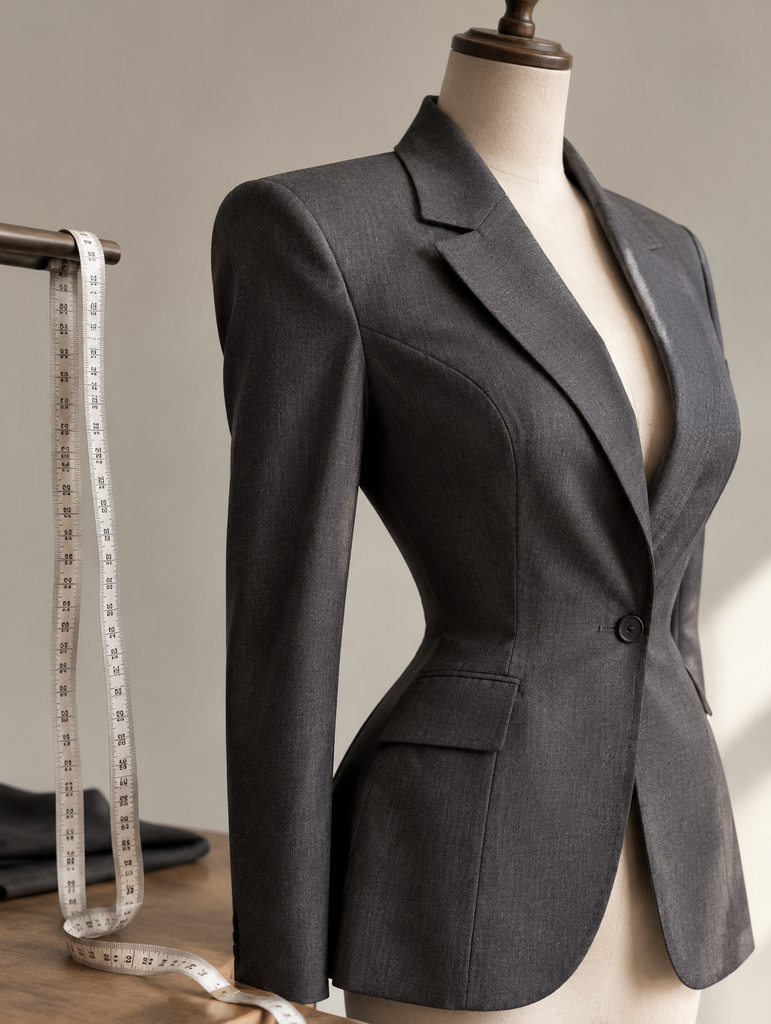
The deeper gap is in the clothes themselves. Runway casting is cheap; pattern-making for a changing body is slow and expensive. It is telling that the same season that celebrated age diversity also saw body diversity quietly retreat — critics noted that fashion had traded one form of inclusion for another. And the customer notices. A YouGov survey found that in the UK, roughly four in ten women over 55 say fashion and clothing do not cater to them. What they ask for is not more novelty; it is fit, quality and value — the priorities that already govern how they spend, and the ones the industry has spent years deprioritizing.
The marketing has moved faster than the product. Paulina Porizkova, now an Estée Lauder ambassador at 61, put the whole problem in one sentence: “I don’t want to be called beautiful for my age. I want to be called beautiful.” Jacquemus named its 85-year-old grandmother its first ambassador; Moncler paired Robert De Niro and Al Pacino in a campaign. Some brands are even replacing “anti-aging” with “longevity” on the label. These are good signals, but a billboard is not a garment, and the phrase “beautiful for your age” is precisely the kind of qualified praise the industry still needs to unlearn.
What this means for anyone building a wardrobe is a quiet reversal. For years “dressing your age” was a warning — a list of things to stop wearing. The more useful question has always been different: does this fit my body, my routine and the life I actually live? That question has no age limit, and it happens to be the same question that leads to the pieces fashion keeps marketing as “investment” and “timeless” — a well-cut coat, a trouser that fits, a shoe you can walk in. Cost per wear is not a young person’s metric or an old person’s metric; it is the metric of someone who has decided their clothes should work.
The feeling of being ignored is not one market’s problem. It shows up in the UK, where that 39% figure is hard to wave away; across parts of Southeast Asia, where a majority of people in their 50s and 60s say too few brands are made for them; and through Southern Europe, where older consumers are the ones keeping beauty and fashion spending stable. What changes is not the complaint but the climate and the codes — a woman layering through a Northern European autumn and a woman dressing for a coastal Southern European heat need different answers to the same underlying question.
The takeaway is not that fashion has become kind. It is that the industry has finally admitted, in public, who its customer is — and that admission carries an obligation it has not yet met. Casting a 60-year-old model is a statement. Cutting a pair of trousers that fits a 60-year-old body, at a price that respects her, and showing her — not a 20-year-old stand-in — wearing it, is the actual work. Fashion put older women on the runway. Now it has to dress them, and the rest of us are watching whether it does.