


Après-Sport Is a Useful Summer Styling Formula: One Athletic Piece, One Polished Piece
Après used to belong to the mountain. It suggested ski lifts, chalet knitwear and the social hour after sport. In summer 2026, the more useful version is happening far from the snow. Après has become a styling lens for what happens after movement: after
Après used to belong to the mountain. It suggested ski lifts, chalet knitwear and the social hour after sport. In summer 2026, the more useful version is happening far from the snow. Après has become a styling lens for what happens after movement: after a run, after Pilates, after a gym session, after tennis, after a long walk across a hot city. The point is not to look as if you are permanently in workout clothes. The point is to move from sport into life without rebuilding the outfit from zero.
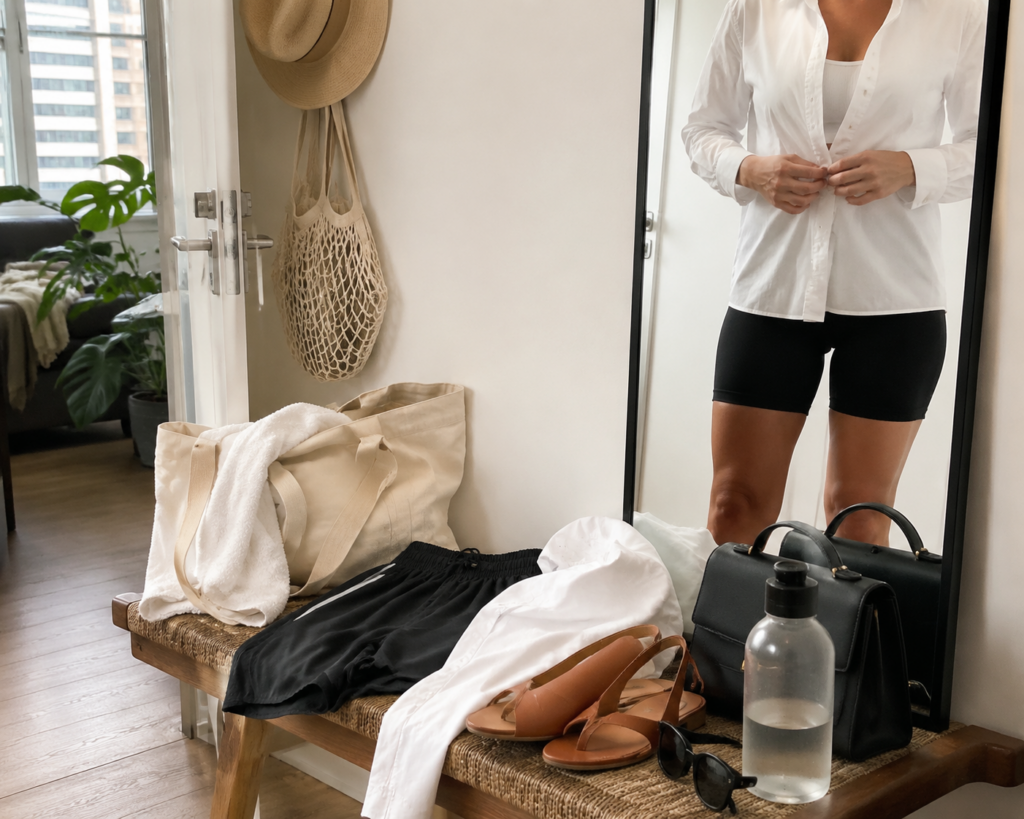
The formula is simple enough to remember: one athletic piece plus one polished or fashion piece. Running shorts with a crisp shirt. A tennis skirt with a structured blazer. Leggings with a sharp mule and a cotton poplin button-down. A sports bra under an oversized linen jacket. Track pants with a fitted tank and jewelry. The strongest après-sport look does not hide the workout item; it gives it a second context.

That is why this trend feels current rather than nostalgic. Summer dressing is already under pressure from heat, sweat, commuting, air conditioning and unpredictable plans. Vogue’s summer workwear guidance frames the office problem clearly: warm-weather dressing has to balance a sweaty commute, cold interiors and a need to look professional. Meanwhile, Harper’s Bazaar reported in July 2026 that athletic shorts are dominating summer wardrobes, with soccer, tennis, track and bike shorts being styled with basics, heels, flats and statement tops. Those two ideas meet in the same place: people want clothes that can keep up with the day.
The broader market is moving in the same direction. Vogue Business reported in January 2026 that fashion brands from luxury to mass retail are increasingly treating activewear as a serious opportunity, citing examples from Balenciaga’s TechWear to NikeSkims and Miu Miu’s activewear push. This does not mean every brand suddenly understands performance. It does mean the boundary between exercise clothing and fashion clothing is being redrawn by consumers who already wear the same pieces across more than one part of life.
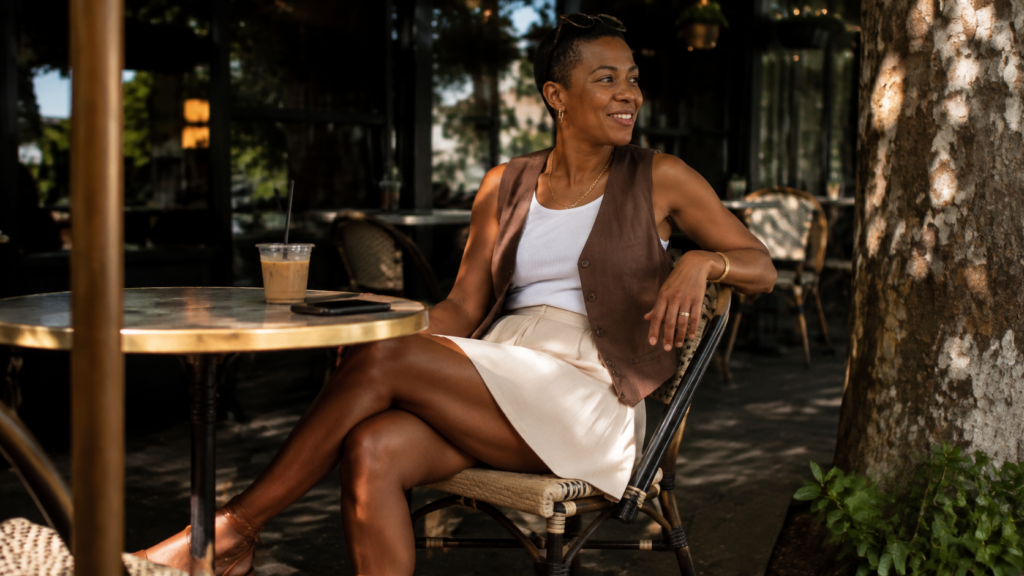
What makes après-sport different from old athleisure is the editing. Athleisure often meant wearing an entire workout-adjacent uniform all day: leggings, hoodie, sneaker, tote. Après-sport is more deliberate. It asks one athletic garment to carry function, then uses one contrasting piece to change the social meaning. A nylon running short becomes brunch-ready with a tailored vest. A bike short becomes less gym-coded with an oversized shirt and flat metallic sandal. A racerback tank becomes date-ready with a column skirt and low heel. The trick is contrast, not disguise.
This is also why the trend works especially well in summer. Heat makes full outfit changes inconvenient and sometimes unrealistic. A person may run before work, take a lunchtime class, bike to a meeting, walk to dinner or leave a fitness studio with only ten minutes before the next plan. In that reality, the old division between “workout clothes” and “real clothes” feels inefficient. The smarter wardrobe is modular: breathable, washable, layerable and able to shift with one item added or removed.
There are three practical directions. First, start with the athletic piece that genuinely matches the body and activity. Running shorts need enough coverage for movement and sitting. Bike shorts should not cut into the thigh or roll at the waist. A sports bra used as a visible layer needs support, opacity and a neckline that feels intentional. A tennis skirt or skort should work while walking, not only in a mirror. The look fails when the athletic piece is chosen only for aesthetics and cannot function.
Second, choose the polished piece with structure. The easiest options are a poplin shirt, linen blazer, tailored vest, leather belt, fine sandal, ballet flat, low mule, clean watch, small hoop earring or structured bag. These pieces do not have to be formal in a corporate sense. They simply need enough line, texture or finish to change the athletic item from “I just left class” to “this is a styled choice.”
Third, keep the color story controlled. Sport pieces often come in technical black, optic white, grey, cobalt, red, butter yellow, neon or team colors. A polished neutral can calm them down: white shirt with red shorts, black vest with tennis whites, chocolate leather with navy track pants, silver jewelry with grey leggings. On deeper skin tones, bright athletic colors can look especially strong when grounded with ivory, brown or black. On fair or low-contrast coloring, softer blue, slate, cream or muted green may be easier near the face. The point is to make the sport signal look intentional across bodies and skin tones, not to impose one clean-girl palette on everyone.
Geography changes the formula. In New York or London, the gym-to-office version may mean track shorts under a long shirt, a blazer in the tote and a shoe change from trainer to loafer. In Los Angeles or Sydney, the after-Pilates coffee look can carry more skin, but still benefits from a structured bag or sharp sunglasses. In Singapore, Miami or Dubai, breathable fabrics matter more than layered polish; the formal piece may need to be a crisp sleeveless shirt or lightweight vest rather than a jacket. In Copenhagen, Berlin or Toronto, the same logic can work through cooler evenings with a technical windbreaker over a dress or a tennis skirt with knitwear.
Inclusivity has to be built into the styling, not added afterward. A cropped sports bra and low-rise short are not the only way to do this look. Plus-size wearers may prefer a longer bike short with a boxy shirt, a supportive tank with a soft blazer, or track pants with a fitted top and jewelry. Petite wearers may need shorter shirts, cropped jackets or lower-profile sneakers so the athletic piece does not swallow the frame. Tall wearers can use longer shorts, relaxed trousers and oversized shirting without losing proportion. Gender-fluid styling is one of the trend’s strengths: tanks, shorts, track pants, shirts, vests and trainers can all move across dress codes.
The shareable takeaway is this: après-sport is not about staying in gym clothes all day. It is about giving one workout piece a second life with one intentional counterweight. The best version respects both states of the body: the body that sweats, moves and needs comfort, and the body that still wants to enter a meeting, a date, a dinner or a city street with presence.
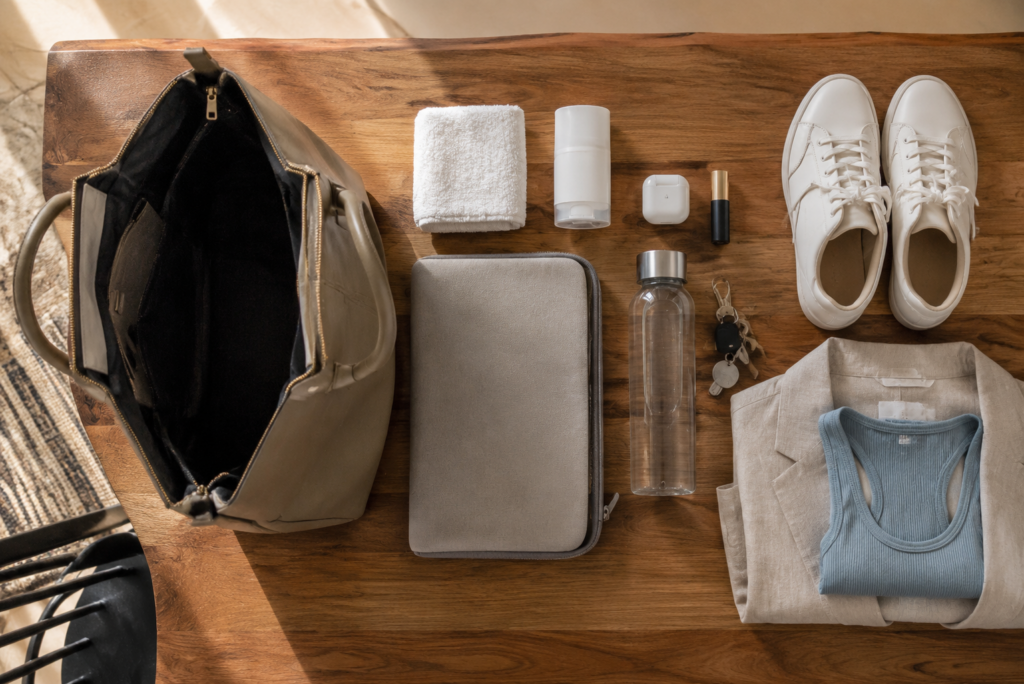
The risk is that the idea becomes another excuse to buy more activewear. Not every workout requires a new matching set, and not every post-gym plan needs a special outfit. The useful test is whether the piece can perform in at least two real situations. Can the shorts handle a run and lunch? Can the tank work under tailoring? Can the sneaker support a commute and still look clean with a skirt? Can the bag carry deodorant, a water bottle, a laptop and lipstick without looking like a gym sack? The more honest the answer, the less likely the trend becomes clutter.
In 2026, the most modern version of après is not alpine. It is urban, sweaty, social and efficient. It understands that many people do not live in separate compartments anymore: workout, commute, office, date, dinner, errand, home. A good outfit now has to cross those thresholds with fewer changes and more intelligence. One athletic piece plus one polished piece may sound like a small formula, but it captures a larger shift in style: clothes are no longer judged only by where they belong. They are judged by how well they move.