The Lyst Index Q2 2026: Item-First Shopping, Sports Fandom and a Mid-Market Breakout
The most revealing fact in the Lyst Index Q2 2026 is not that Chanel held on to the number one spot. It is that the single hottest product of the quarter was a New York Knicks cap, and the biggest riser in the brand
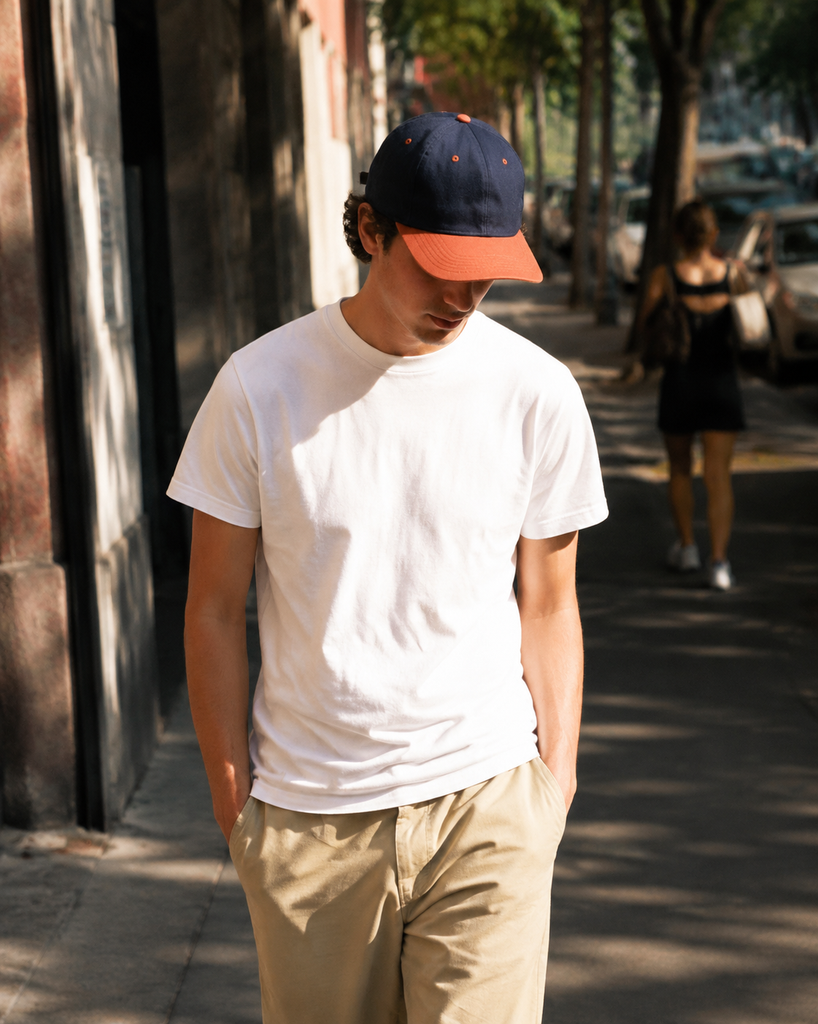
The most revealing fact in the Lyst Index Q2 2026 is not that Chanel held on to the number one spot. It is that the single hottest product of the quarter was a New York Knicks cap, and the biggest riser in the brand ranking was Massimo Dutti, a mid-market label that jumped eight places into the top 10. Across a long and heat-heavy summer, fashion demand was not being driven by luxury logos. It was being driven by specific, wearable items tied to sport, weather and everyday life.
Lyst released the Q2 2026 edition of its Index on August 5, covering April through June. The platform tracks behavior from 160 million annual shoppers, combining shopping data with signals from search, social media and editorial coverage. The result is a map of demand rather than a revenue chart, but it captures something a sales report cannot: what people were actually searching for, saving and buying in the middle of the season.
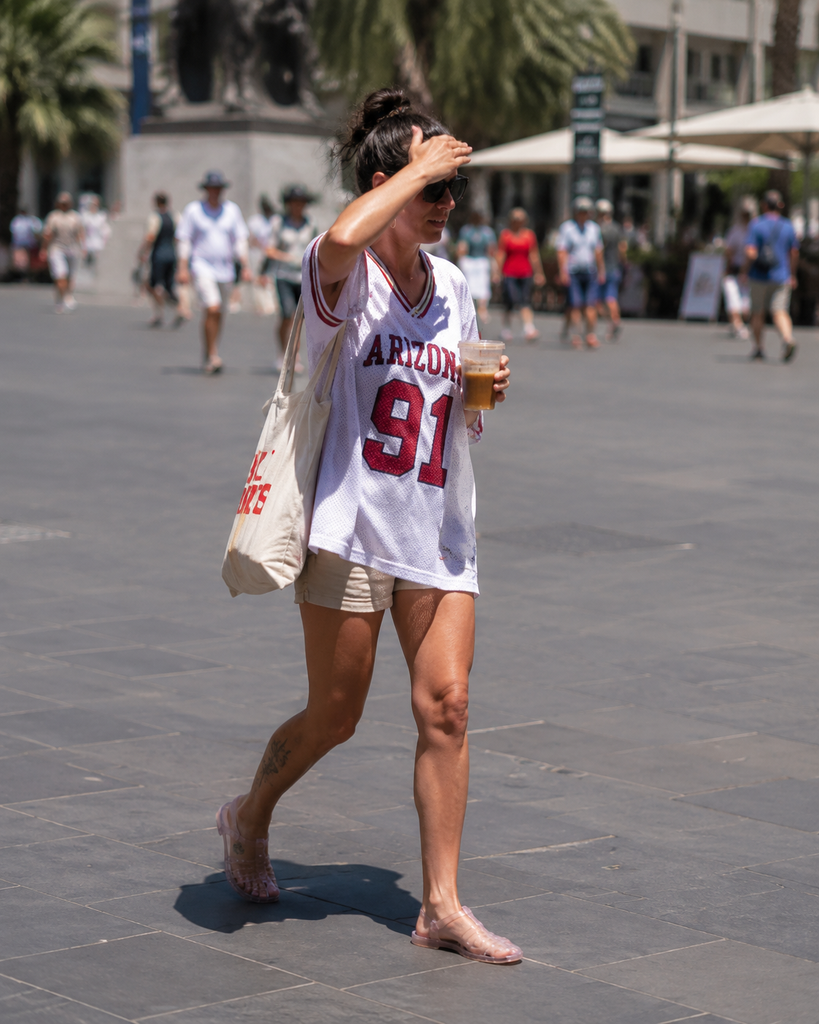
The hottest-products list is the clearest signal of a shift toward what analysts are calling “item-first” consumption. The New York Knicks cap topped the ranking after searches surged 4,276% following the team’s NBA championship win. Around it sat jelly shoes from SKIMS and Chloé, an Issey Miyake stole, a Gucci heel, an adidas × Willy Chavarria jersey and a Dôen pair of shorts. These are not status pieces. They are objects a shopper can picture wearing immediately, often at an accessible price point. Shoppers are beginning with a specific item rather than a brand.
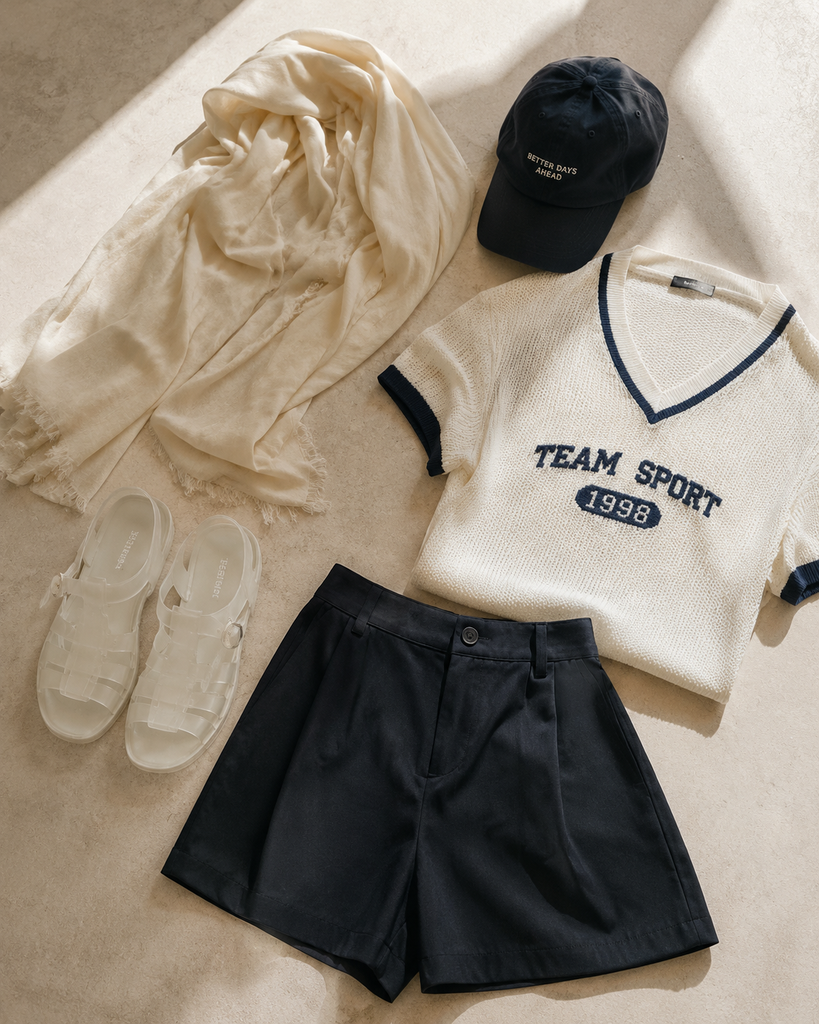
Two forces did most of the pushing. The first is sports culture. The Knicks cap was the most dramatic example, but the same pattern showed up elsewhere: Miu Miu climbed back to number two with searches up 30%, helped by its New Balance collaboration worn by tennis star Coco Gauff at Wimbledon. The second force is climate. Jelly shoes, open-toe styles, resort dressing and light layers such as the Issey Miyake stole all point to a season in which extreme heat reshaped wishlists, pushing people toward footwear that breathes and clothing that does not trap heat.
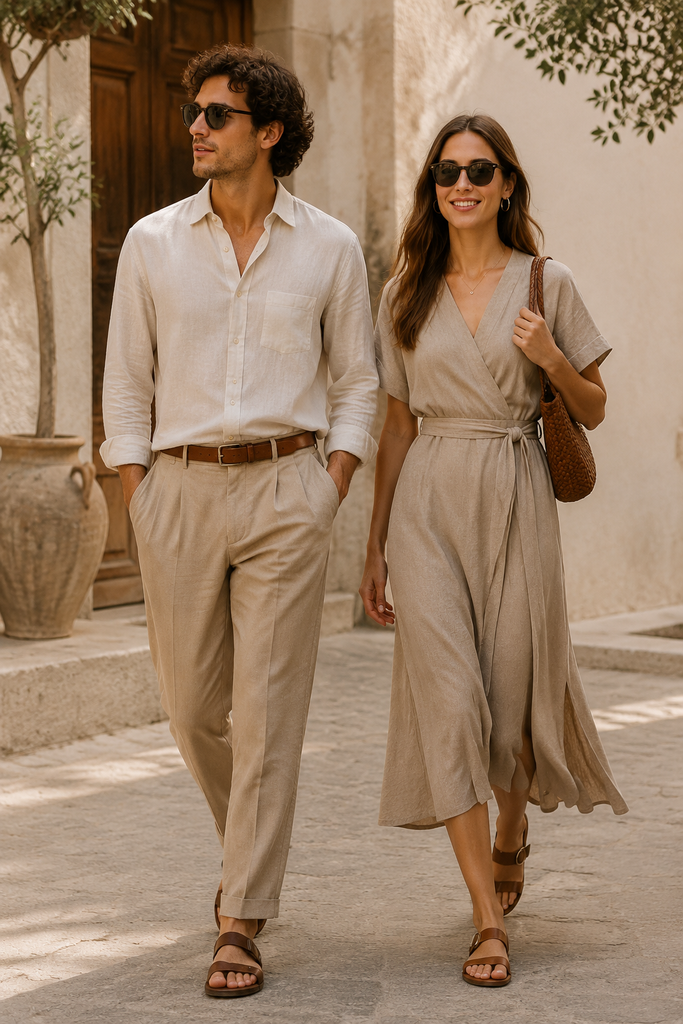
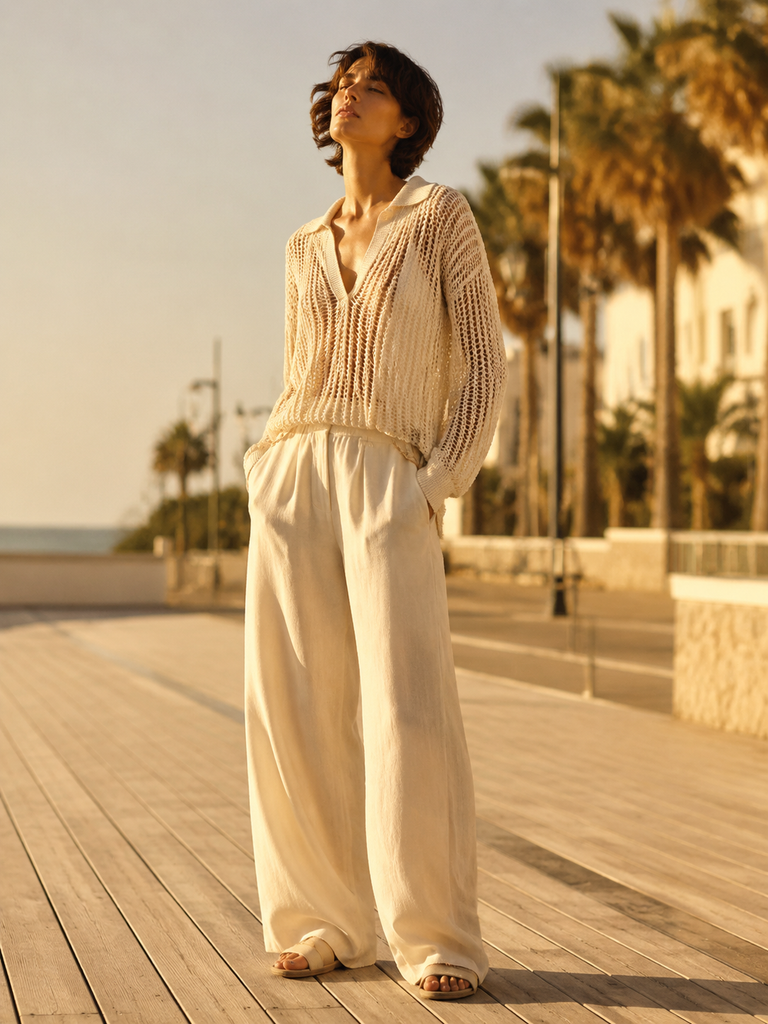
The brand ranking tells a similar story of demand spreading away from the luxury peak. Massimo Dutti rose eight places to tenth with demand up 43%, boosted by Bella Hadid’s appearances during Cannes and a broader appetite for its elevated, Mediterranean-inflected wardrobe. Coach held a top-10 place. Celine climbed five places on positive response to Michael Rider’s new creative direction, and Phoebe Philo entered the Index at 18 as it expanded retail in Asia-Pacific. The momentum is no longer concentrated among a few heritage houses; it is moving toward brands that promise a wearable, cost-per-wear wardrobe.
For international readers, the useful lesson is that “hot” is becoming more concrete. A Knicks cap means one thing in New York and something entirely different in London; jelly shoes suit a hot coastal city but not a cold northern office; an elevated mid-market shirt travels better than a loud logo piece. The item-first shift rewards people who translate a trend into their own climate, budget and body rather than copying a complete look from a feed.
The shareable takeaway is that fashion’s center of gravity is moving from the brand logo to the individual item — a cap, a pair of jelly sandals, a practical mid-market shirt. That movement is partly a response to sports fandom and rising temperatures, and partly a response to shopping fatigue: after years of loud brand moments, shoppers are gravitating toward pieces with clear, everyday utility.
Chanel’s continued lead matters, but it is no longer the whole story. The Q2 2026 Index suggests fashion is becoming less about which house is winning attention and more about which specific, wearable object solves a real problem in someone’s life. That is a healthier definition of “hot” than any logo.