


Luxury’s Creative Director Seat Just Got Shorter: Saint Laurent, McQueen and Calvin Klein All Reset in a Week
In one week in October 2026, three major fashion houses lost their creative directors. On October 9, Saint Laurent confirmed that Anthony Vaccarello was leaving after a decade. Six days later, Alexander McQueen announced Seán McGirr's exit after roughly three years, and Calvin Klein

In one week in October 2026, three major fashion houses lost their creative directors. On October 9, Saint Laurent confirmed that Anthony Vaccarello was leaving after a decade. Six days later, Alexander McQueen announced Seán McGirr’s exit after roughly three years, and Calvin Klein said Veronica Leoni was departing after four seasons. Three houses, three exits, one week. Each departure carries its own explanation — a decade-long chapter closing, a personal decision, a reset to be filled “in due course” — but the pattern underneath is the same. The job that was once fashion’s closest thing to a throne has quietly become one of its shortest contracts.
This is not a coincidence. Two of the three houses — Saint Laurent and McQueen — sit inside Kering, which is mid-way through a multi-year turnaround under chief executive Luca de Meo. The group’s third-quarter results, reported on October 22, showed exactly where the pressure is coming from: revenue of roughly €3.3 billion was essentially flat, and Gucci, still Kering’s biggest and most important brand, fell 6% on a comparable basis while the rest of the portfolio inched up. Kering has said it plans to close at least 125 stores on a net basis this year, and its shares have slid around 70% from their 2021 peak. In that climate, a creative director is no longer being handed a decade to build a world; they are being given a handful of seasons to prove one sells.
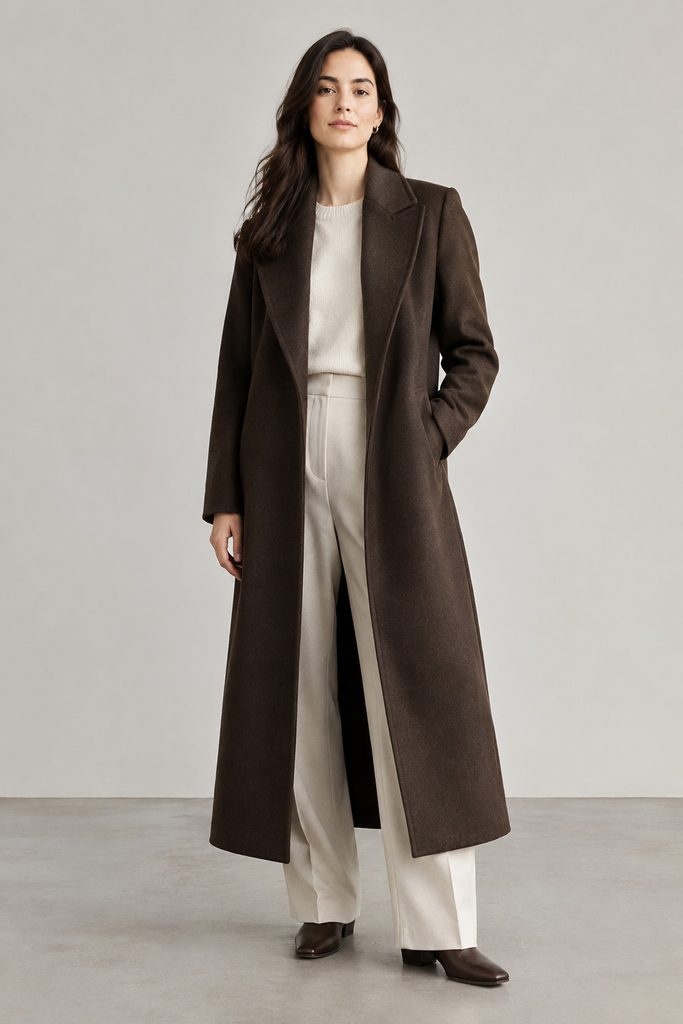
The first thing the week exposed is how short the tenure has become. Vaccarello’s decade at Saint Laurent — he succeeded Hedi Slimane in 2016 — now reads as the exception, not the rule. McGirr led McQueen for about three years; Leoni had four seasons at Calvin Klein. A creative director used to be measured in collections and eras. Increasingly they are measured in quarters. The seat is still prestigious, but the clock attached to it is far shorter.
The second expression is what luxury now wants from the role. For years the creative director was treated as a long-term brand-builder whose vision was allowed to compound. The October reset suggests the priority has flipped toward faster commercial proof. Gucci’s 6% slide shows how a single flagship brand can drag an entire group even as smaller labels recover, and McQueen’s own repositioning has been flagged as ongoing. When a designer’s contract comes up for review, the question is no longer only “what world did they build?” — it is also “what did the numbers do?”
The third signal is that this is bigger than one group. Calvin Klein is owned by PVH, not Kering, which means the same short-tenure logic is now running across rival groups and American houses alike. No successor has been named at any of the three houses, and the speculation has already begun — a sign that the industry expects the next appointments to move faster, not slower.
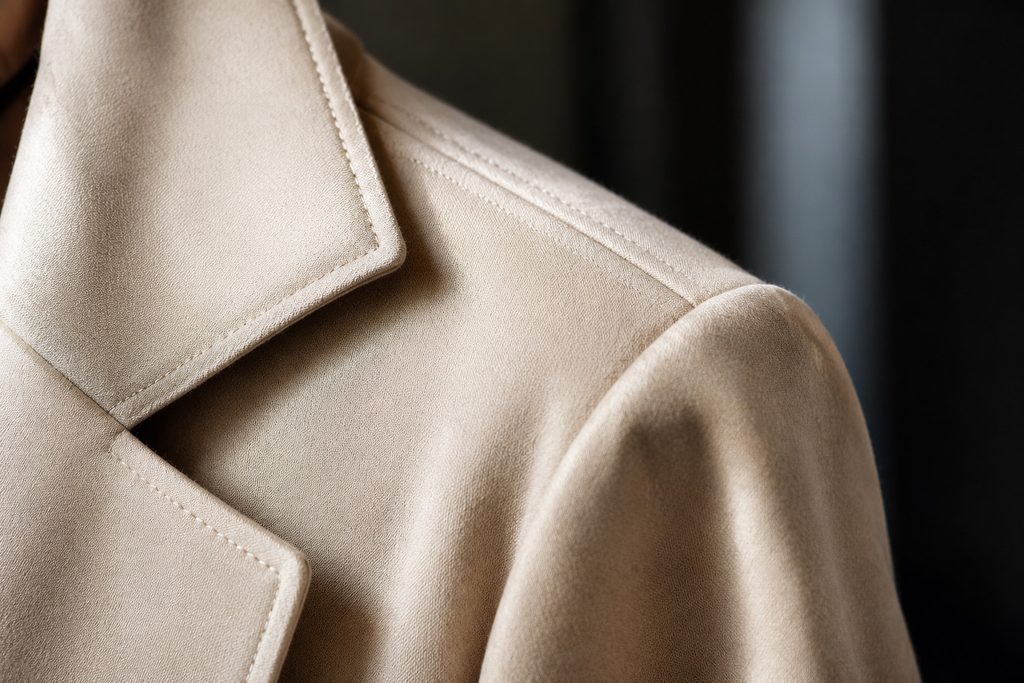
For readers, this matters more than the org-chart headlines suggest. A shorter creative-director cycle changes what shoppers can rely on. The coat or bag bought under one designer’s vision can feel orphaned within a few seasons when that vision is replaced — which quietly raises the value of pieces chosen for cut, fabric and silhouette over pieces chosen for a name or a logo that may not be there next year. It also reinforces the cost-per-wear logic shoppers already apply: if the point of view on the label is less durable, the honest value shifts into the garment itself.
What to watch next is the successor announcements, all three of which are still pending, and whether further creative changes follow — reports have already floated the idea of movement at Balenciaga. The broader question is whether luxury is entering a permanent churn, or whether this is a painful correction that eventually lets new creative directors be given longer leashes again. Either way, the takeaway from one October week is hard to miss: the most unstable job in fashion right now is the one that used to be the most stable. The throne has become a seat with a timer.