


The Climate Test: Why Summer 2026 Fashion Has to Prove It Works in Real Heat
Summer fashion has always had a calendar problem. For decades, the industry has organised warm-weather dressing around a sequence of fantasy settings: resort, yacht deck, beach club, garden party, rooftop evening. The clothes that filled those images, from tight linen separates to structured sundresses,
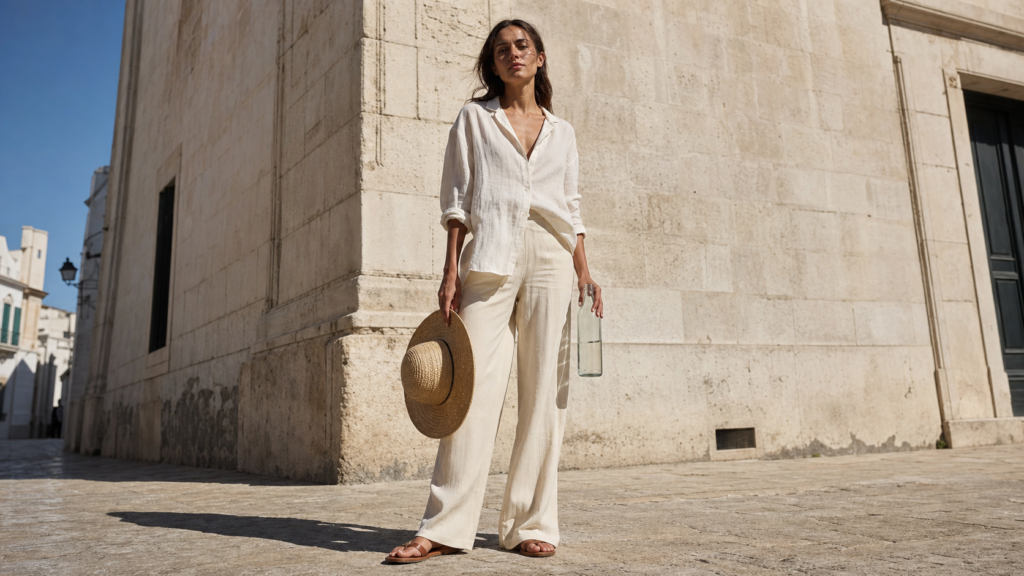
Summer fashion has always had a calendar problem. For decades, the industry has organised warm-weather dressing around a sequence of fantasy settings: resort, yacht deck, beach club, garden party, rooftop evening. The clothes that filled those images, from tight linen separates to structured sundresses, heeled sandals and delicate silks, were often designed for a summer that was more mood board than weather report.
In 2026, that gap between fashion’s idea of summer and the summer people actually move through has become harder to ignore. Scientific agencies have repeatedly warned that recent years have been among the hottest on record, with heat extremes affecting public health, work, travel and urban life. Fashion cannot solve extreme heat. Shade, hydration, reduced exposure and public-health guidance matter first. But clothing is one of the daily interfaces between the body and the climate, and consumers are becoming more alert to whether a garment can be worn through a long, hot, humid day without becoming unpleasant.
The most useful shift in summer fashion is therefore not a single trend. It is the arrival of a climate test: a consumer reflex that asks not only “does this look like summer?” but “does this actually work when the temperature climbs and the day does not stop?”
That test begins with fabric. Linen, ramie, cotton voile, cotton gauze, seersucker, hemp blends, Tencel lyocell and open-weave shirting are not automatically perfect, and quality varies widely, but they point to the same priority: air has to move. A summer shirt is no longer judged only by colour, print or whether it flatters in a mirror. It is judged by how it handles sweat, whether it sticks to the back, how quickly it dries, whether it creases in a graceful way and whether it remains bearable after walking, commuting, travelling or sitting in weak air-conditioning.
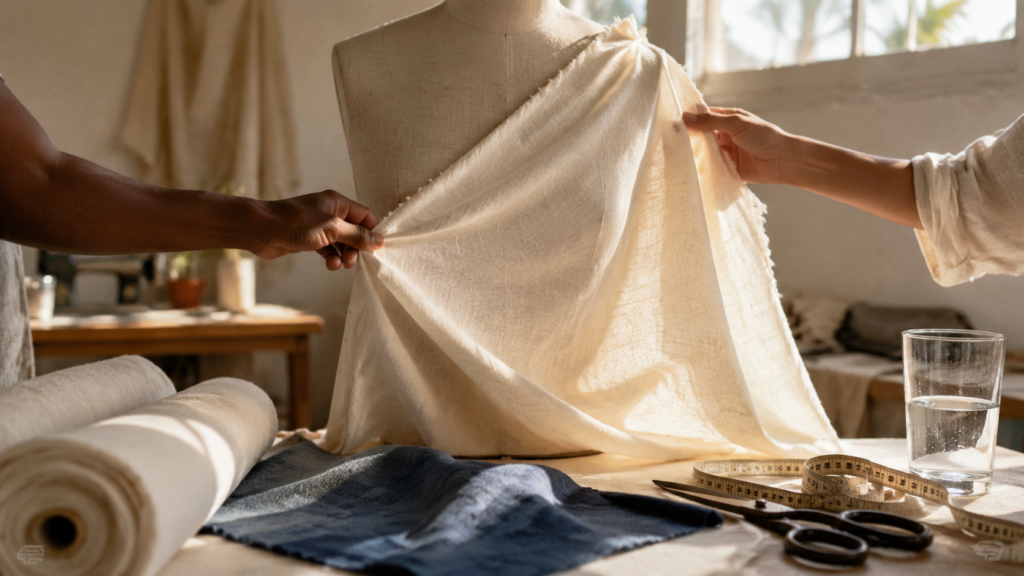
Silhouette is being revalued for the same reason. Wide-leg trousers, dropped shoulders, open necklines, back vents, relaxed armholes, anti-fit dresses and long shirts worn loose are not only aesthetic choices; they are ventilation strategies. This is why the most convincing summer pieces often look almost simple on the hanger. Their intelligence is in the space between fabric and skin. A dress that lets air circulate can feel more luxurious in a heatwave than a complicated garment with a better photograph and a worse day-after-day experience.
Colour still matters, but the old advice to “wear white in summer” is too crude. Light colours can reflect more solar radiation, especially in direct sun, yet fibre, weave, thickness and fit can change the experience completely. In some conditions, a loose black linen shirt may feel more comfortable than a tight white polyester blouse because the linen breathes and the cut allows airflow. That does not make black universally cooler, and it does not make white useless. It simply means colour belongs in the same conversation as fabric, cut, shade, activity and local climate.
Geography makes the climate test more varied. A London reader may need summer clothes that can handle cool rain one day and a sudden 32 C afternoon the next. A reader in Los Angeles, Dubai, Manila or Singapore may treat heat as the default and need clothes that move between outdoor humidity and chilled interiors. A parent doing a school run in a hot Australian or Southern European summer needs fewer fussy layers. A commuter in a city with crowded transport needs a shirt that does not immediately show sweat. There is no universal summer uniform. There are only better questions.
This shift also changes how value is calculated. McKinsey and The Business of Fashion’s State of Fashion 2026 report describes a more pressured consumer environment, where shoppers are more selective and value is being judged beyond simple brand status. In that context, a summer garment has to prove itself across repeated wear. A linen dress that costs more upfront but survives several summers, many washes, travel packing and humid evenings may become a stronger purchase than three cheaper dresses that lose shape after one season.
The resale market reinforces that logic, with an important caveat. ThredUp’s 2026 Resale Report projects continued growth in secondhand apparel, reflecting consumer interest in extending the life of garments. But resale is not a free pass for overconsumption. A piece that is bought, barely worn and quickly replaced still carries production, shipping, cleaning and platform costs. The more useful lesson is narrower: breathable, durable, adaptable garments are easier to wear often, easier to care for and easier to pass on than novelty pieces that only work once.
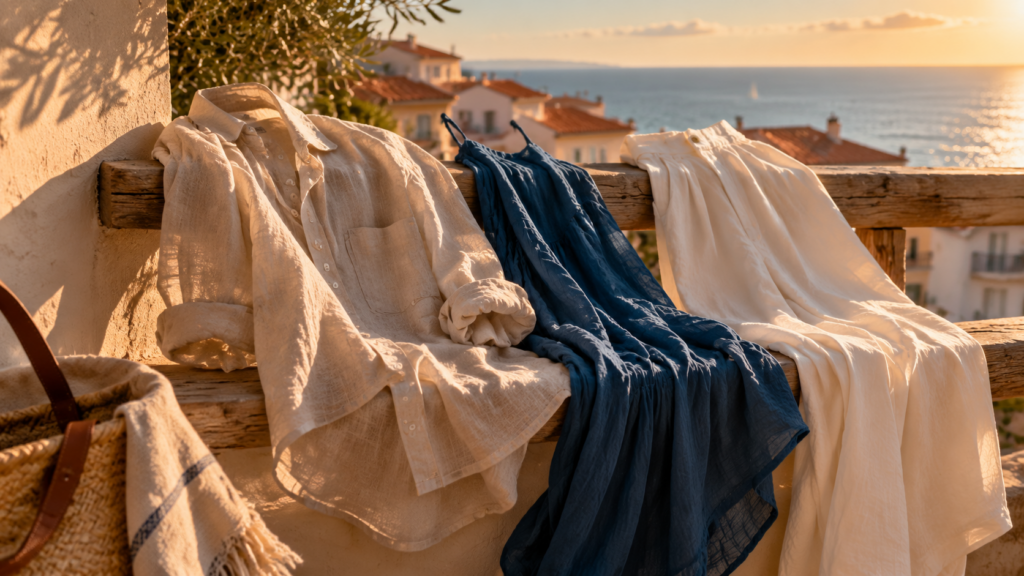
The same caution applies to natural fibres. Linen, cotton, hemp and wool can be excellent in hot-weather wardrobes, but “natural” does not automatically mean sustainable, low-impact or comfortable. Farming, dyeing, finishing, labour conditions, water use and garment care all matter. A climate-conscious wardrobe is not built by replacing every synthetic garment with a new natural-fibre purchase. It is built by buying less impulsively, wearing more often, repairing when possible and choosing fabrics that suit the actual conditions of daily life.
Three practical directions make sense for summer 2026. First, fabric literacy is becoming a consumer skill. Shoppers are paying more attention to fibre content, weave, lining and fabric weight, because those details determine comfort by midday. Second, silhouette is becoming a form of heat management. Relaxed shapes, vents and breathable layers can matter as much as colour. Third, cost per wear is becoming more persuasive than trend novelty. The best summer clothes are not necessarily the most minimal or expensive; they are the ones that keep earning their place in the wardrobe.
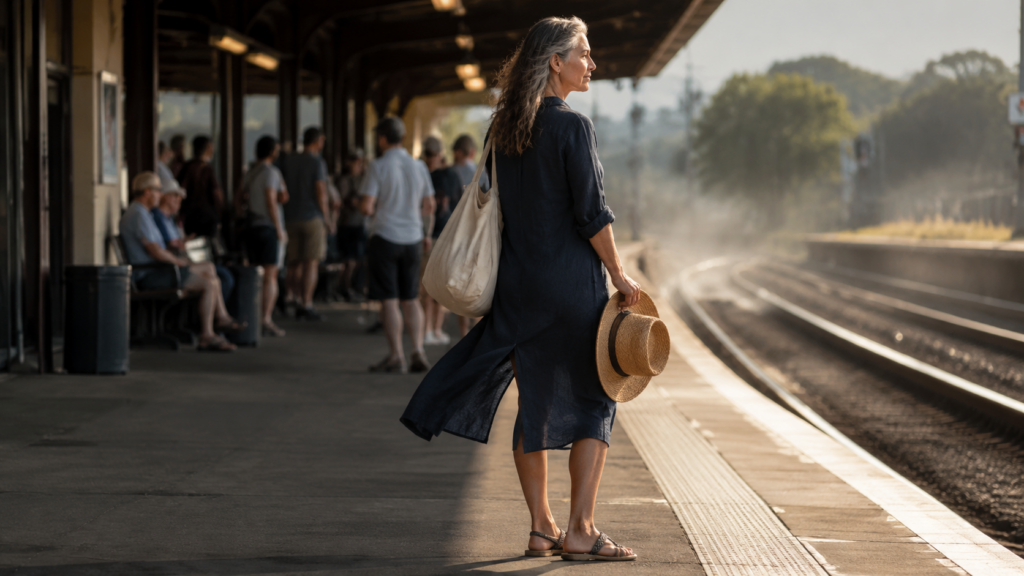
What makes this moment different from earlier calls for “practical dressing” is that the pressure is coming from lived experience. The shopper who once bought a polyester sundress because it looked bright on a rack may now check the label and rub the fabric between two fingers. The traveller who once packed five going-out tops may now pack two breathable shirts and one versatile dress because luggage space is finite and heat does not care about outfit repetition. The climate test does not mean giving up on pleasure, colour, decoration or fantasy. It means those things have to coexist with physical comfort.
For the international reader building a summer wardrobe in 2026, the implication is practical. Before buying, ask three questions. Can this fabric handle a long, hot, humid day without becoming unpleasant? Does this silhouette allow air to move, or does it trap heat against the body? Will this piece work across the actual weather patterns of the place I live, not the weather of a resort editorial? These are not joyless questions. They are the kind of questions that separate clothes worn twice from clothes worn until they are soft with use.
The climate test is not about turning summer dressing into a survival manual. It is about recognising a simple truth: in real heat, looking good starts with feeling well enough in your clothes to forget you are wearing them.