


From Marni to GU and Margiela to Zara: Why 2026’s Top Designers Are Choosing the High Street
For years, the standard career arc for a top fashion designer ran in one direction: build a reputation at a luxury house, then launch your own label or ascend to an even bigger heritage brand. Nobody left Givenchy for a retailer with a $9.90
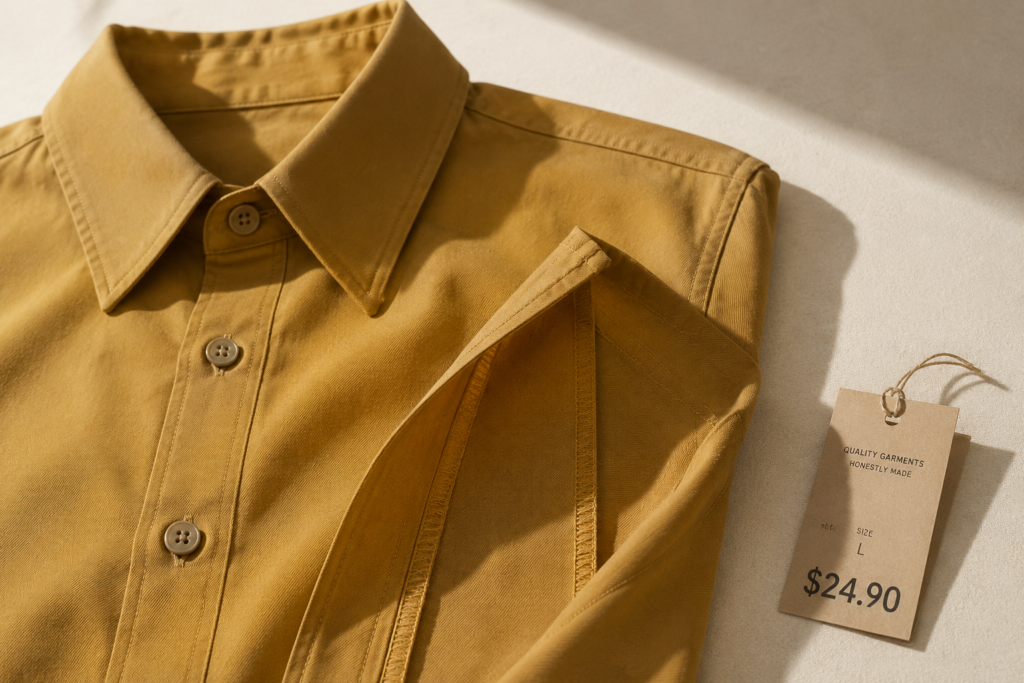
For years, the standard career arc for a top fashion designer ran in one direction: build a reputation at a luxury house, then launch your own label or ascend to an even bigger heritage brand. Nobody left Givenchy for a retailer with a $9.90 T-shirt. Nobody walked away from Maison Margiela to design for a chain store. Until now.
On July 24, Francesco Risso — the former creative director of Marni, who spent nearly a decade turning the Italian house into a cult favorite for art-informed, idiosyncratic design — unveiled his first full collection as creative director of GU, the Fast Retailing-owned Japanese retailer where jeans sell for $18 and a faux-leather jacket costs $69.90. The collection, organized around six lifestyle concepts from “GU Minimal” to “GU Playful,” launched simultaneously in the US and Asia. It is not a one-off collaboration. It is his job.
Risso is not an outlier. He is the latest and most visible example of a structural shift that has been building across fashion for two years. John Galliano, the former creative director of Christian Dior and Maison Margiela, signed a two-year creative partnership with Zara in March 2026, with his first collection due in September. Clare Waight Keller, the former artistic director of Givenchy — the first woman to hold that role, and the designer of Meghan Markle’s wedding dress — is now global creative director of Uniqlo, where she oversees both the main line and the UNIQLO: C sub-label. Zac Posen runs GapStudio, Gap Inc.’s premium creative arm, designing everything from $128 sailor pants to Met Gala gowns. Brandon Maxwell, the red-carpet designer who dressed Michelle Obama and Lady Gaga, is creative director of Free Assembly and Scoop at Walmart.
This is not a series of coincidences or a handful of designers “cashing in.” It is a realignment of where creative authority sits, and the reasons behind it say as much about luxury’s current pressures as they do about mass retail’s ambitions.
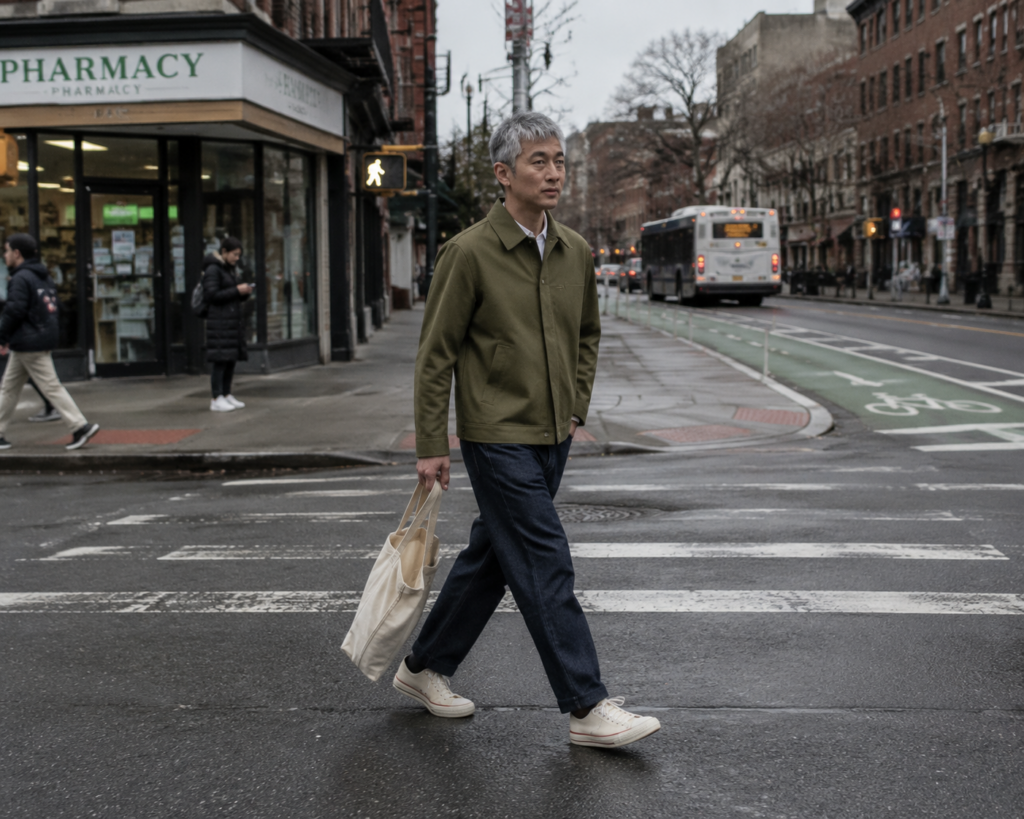
The luxury sector has been quietly burning through creative directors at an unsustainable pace. Between 2023 and 2025, roughly three dozen major houses changed designers — some more than once. The demands on a luxury creative director have become nearly impossible to reconcile: deliver viral runway moments, grow sales, respect archival codes, manage shareholder expectations, and produce up to six or more collections per year. The average tenure has shortened to the point where designers barely have time to establish a handwriting before the next reset begins.
At the same time, luxury’s growth story has grown thin. Industry analysis suggests approximately 80% of the sector’s revenue growth between 2023 and 2025 came from price increases rather than volume — handbags getting more expensive, not more people buying them. When Dior’s labor practices made headlines for the wrong reasons, and when a $3,000 bag feels less like craftsmanship and more like a math problem, the mystique starts to crack. Designers, perhaps more than executives, feel that disconnect: they trained to make clothes people wear, not to manage margin through price escalation.
Risso has spoken openly about the contrast between his expressive approach and Fast Retailing’s efficient culture, calling it a “beautiful oxymoron.” He has also described the quiet satisfaction of seeing his Marni x Uniqlo collaboration clothes “immediately in the streets, in multiple cities at the same time, all over the world” — a reach no luxury house, no matter how prestigious, can offer.
The difference between this wave and the H&M x Karl Lagerfeld moment of 2004 is structural. Those were limited-edition capsules designed to generate queues and headlines; once the stock sold out, the relationship ended. Today’s appointments are permanent or long-term roles. They embed a designer inside the retailer’s supply chain, fabric development, fitting process, and merchandising strategy.
At GU, Risso restructured the entire product offering around lifestyle concepts rather than gender or item categories — a level of organizational authority that signals the retailer is betting its identity on his vision, not renting his name for a season. At Uniqlo, Waight Keller has spoken about working directly with the brand’s textile technologists on fabric innovation, a process with a two-year lead time that operates on a different clock from the seasonal fashion calendar. She has also highlighted Uniqlo’s global fitting process across sizes XXS to 3XL — a genuinely different design challenge from the single-body-type approach that still dominates luxury development.
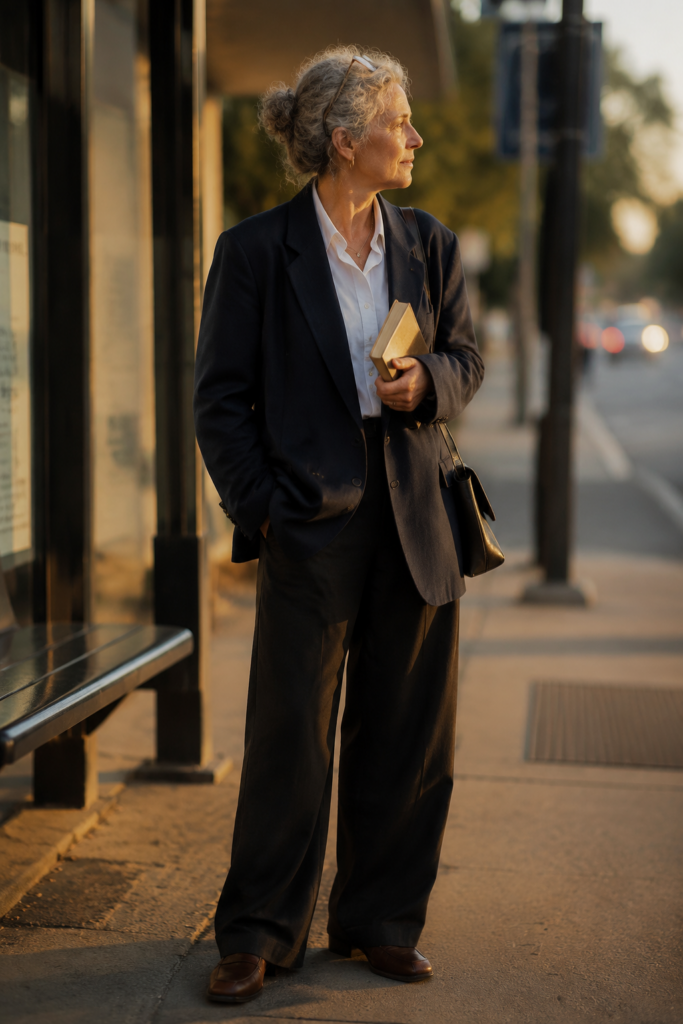
For the retailers, the payoff is not just prestige but coherent design vision. Pieces acquire sharper proportion, better color, more considered details — even at entry-level price points. Gap’s Q1 2026 results, described as one of the brand’s strongest performances in over two decades, suggest the formula is working beyond the red carpet.
Perhaps the most important part of this story is that shoppers got there first. The old trickle-down model — luxury proposes, high street copies, consumers wait — has been replaced by horizontal taste circulation. A Uniqlo trench worn with a Dior bag is not a contradiction; it is a modern uniform. Depop finds sit next to designer tailoring. Taste now moves sideways, through personal styling, resale platforms, social discovery, and practical problem-solving — not just down from a runway.
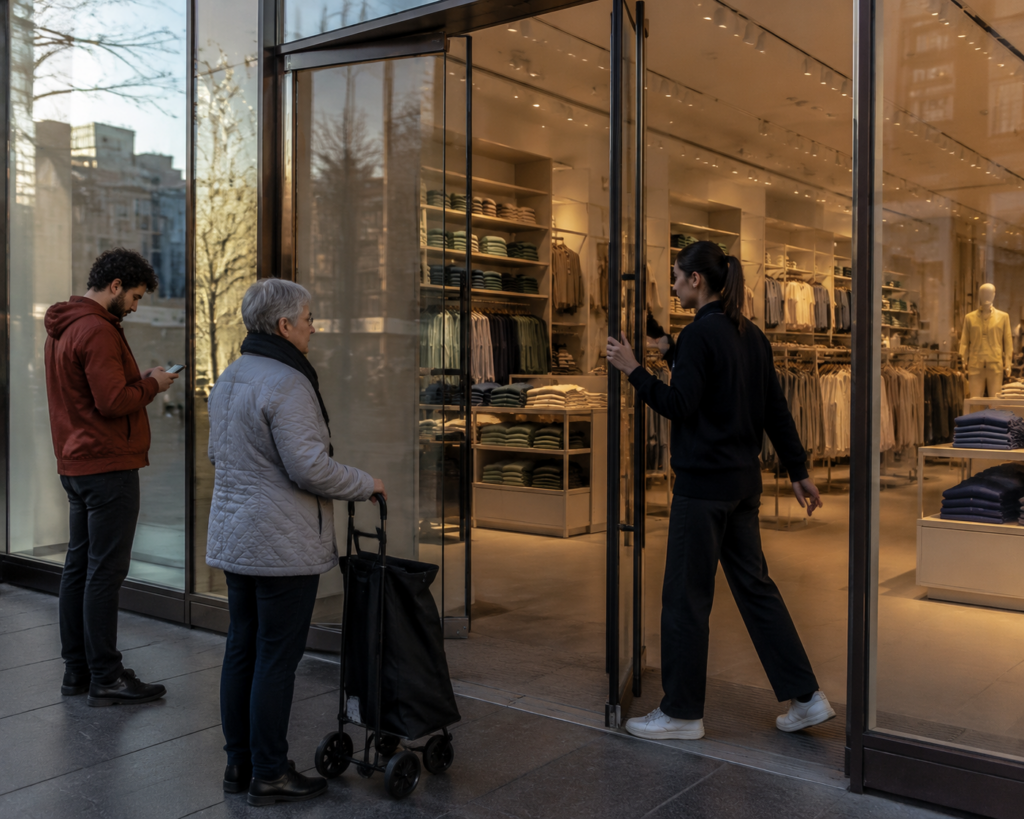
This is also where the K-shaped economy shapes fashion behavior. Upper-income consumers continue to spend but have grown skeptical of luxury’s value proposition. The mid-to-high segment — well-designed clothes at accessible prices — has become, as trend forecaster Lucie Greene put it, “the sweet spot right now.” The designers moving into mass retail are not abandoning taste; they are following the consumer to where taste is actually being lived.
Galliano’s first Zara collection, expected in September 2026, will be the next major test of this model. Unlike Risso’s GU appointment, which is a permanent creative director role, Galliano’s partnership is a fixed two-year engagement built around “re-authoring” Zara’s archival pieces — a concept closer to his deconstruction work at Margiela than to a conventional seasonal drop. How that translates at Zara’s scale, and at Zara’s price architecture, will tell the industry a lot about which versions of this model work.
The broader question is whether luxury can compete for creative talent when the alternative offers larger audiences, less institutional pressure, and the chance to design clothes that actually circulate in the world. If the last era of fashion was defined by who could get into the room, this one is being shaped by the designers throwing the doors open.