The Lyst Index Q3 2026: Prada Reclaims the Top as Demand Moves From Clothes to Accessories and Collaborations
For three consecutive quarters, Chanel sat on top of the Lyst Index, the fashion industry's most-watched demand ranking. In the Q3 2026 edition, published in late October, it was finally displaced — not by a new name, but by a familiar one. Prada reclaimed
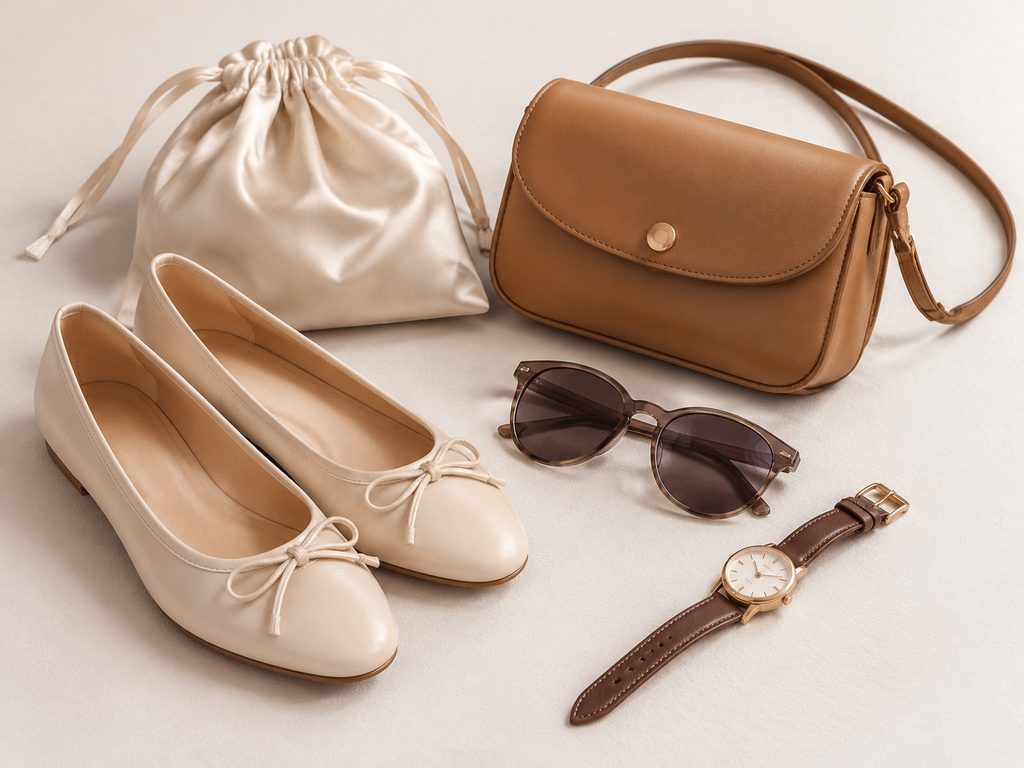
For three consecutive quarters, Chanel sat on top of the Lyst Index, the fashion industry’s most-watched demand ranking. In the Q3 2026 edition, published in late October, it was finally displaced — not by a new name, but by a familiar one. Prada reclaimed the No. 1 spot for the first time since the fourth quarter of 2023, with demand rising 55% quarter on quarter. The changing of the guard is the headline, but it is not the real story. The real story is what people actually wanted this quarter: not statement clothing, but accessories, footwear and collaborations.
The Lyst Index is compiled from the shopping behaviour of roughly 160 million annual users, layered with search, social media, editorial and emerging AI-discovery signals. It is a demand map, not a sales report — a read on what shoppers are looking for, saving and buying across the quarter. In Q3 2026 that map pointed away from the body and toward smaller, softer, more portable things.
Prada’s return was led by one object more than any garment: the Wish Pouch, a soft silk-duchesse bag whose demand surged nearly 500% to top the quarter’s hottest-products list. It was not alone. Of the ten most-wanted items, the majority were accessories and footwear — the COS Trullo flap bag, Balenciaga’s Rodeo bag, Chanel ballet flats, Phoebe Philo’s Peak sunglasses (up 525%), and, for the first time since 2021, a watch: the Cartier Tank. Clothing barely registered, with the exception of Dries Van Noten’s wrap scarf-skirt and a pair of Free People bloomer trousers. The most-wanted list has effectively become an accessories list.
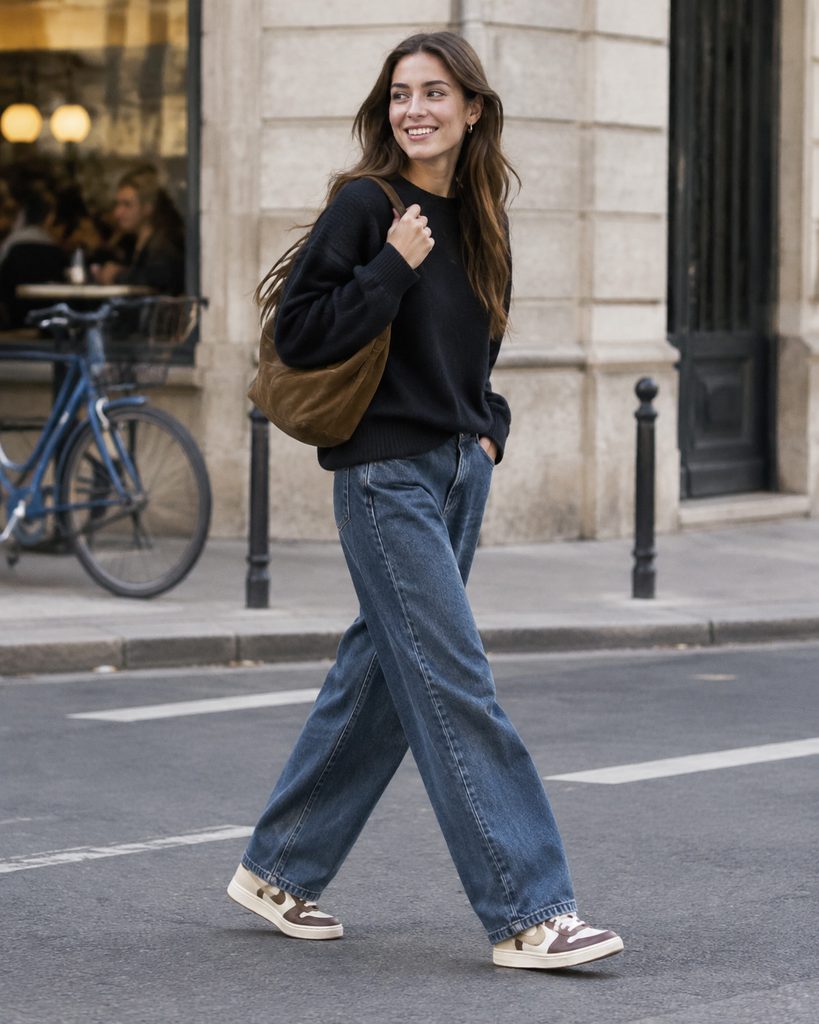
The second signal is how much demand was driven by collaborations. Celine entered the top ten for the first time under creative director Michael Rider, helped by a sold-out Reebok sneaker collaboration and a 62% year-on-year rise in menswear demand. The same pattern ran down the list: Mfpen’s New Balance collaboration, and Khaite’s debut at No. 20 on the back of its jeans and an Oliver Peoples eyewear link-up. Two names doing one thing — often at a price below a flagship runway piece — has become a more reliable demand engine than a single brand’s logo.
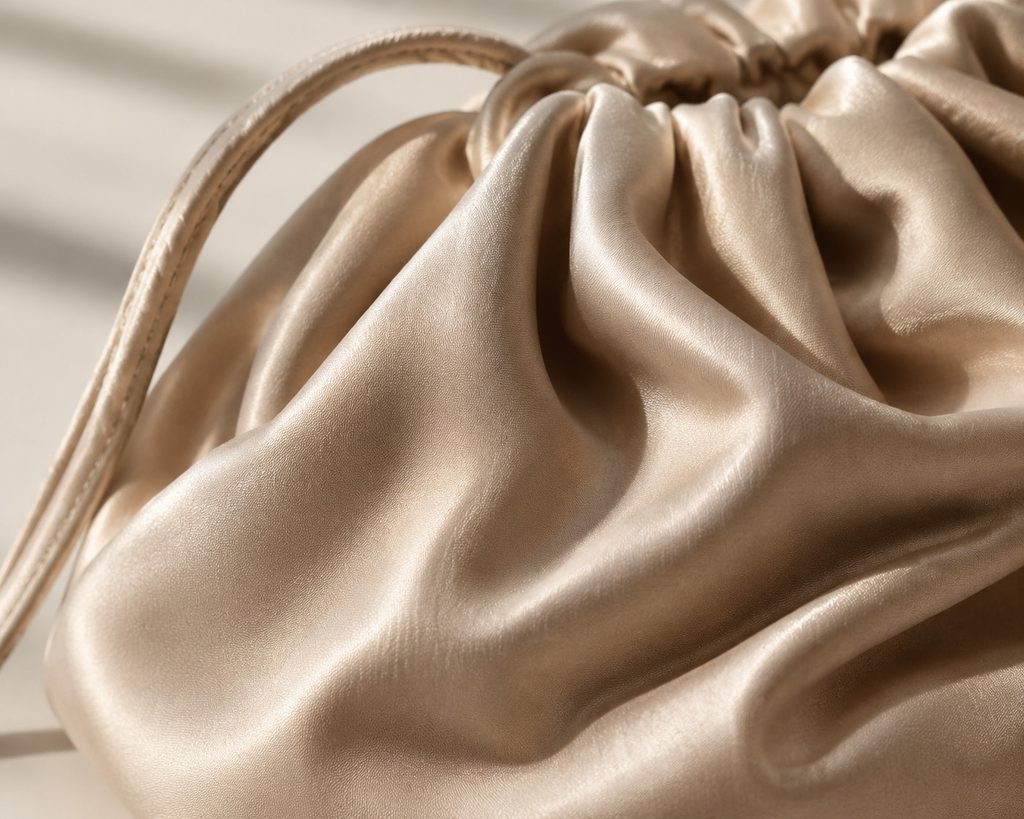
The third signal is a mood shift. The quarter’s winning objects skew soft, slouchy and unstructured — a silk pouch, a wrap scarf-skirt — rather than sharp or logo-heavy. And the presence of Vans‘ Premium Authentic sneakers on the list, alongside a current of 2010s nostalgia, points to demand that values comfort and memory over novelty. After years of logo-led luxury, the most-wanted list reads as a turn toward the quiet and the familiar.
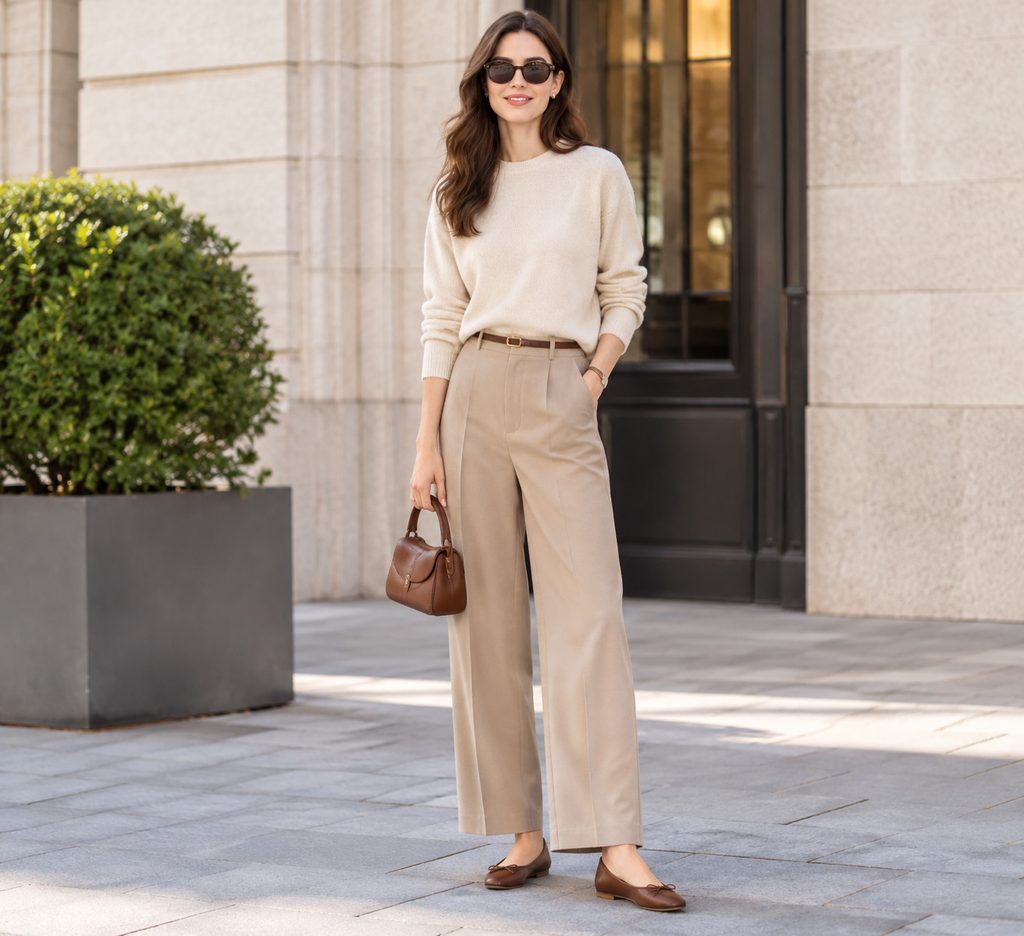
For international readers the shift is practical. Accessories and footwear travel across climates and markets more cleanly than clothing does: a silk pouch or a pair of sneakers works in a hot Southern European city and a cold North American one alike, which is one reason these items dominate a global demand map. They are also the cheapest entry into a luxury label, and the easiest to justify on a cost-per-wear basis — a small leather bag earns its price through daily use in a way a runway dress never can. And because collaborations typically sit below a brand’s ready-to-wear prices, they have become the most accessible way to buy into a house.
Watch whether Prada can hold the top through the holiday quarter, and whether the accessory-led pattern continues into gift-buying season — a silk pouch and a watch are, after all, made for gifting. Also worth tracking is whether the soft, slouchy mood hardens again in spring, or whether the retreat from logo-led luxury becomes permanent.
The Q3 index is easy to read as a Prada comeback story. It is closer to a shift in where desire now lives: off the body, onto the wrist, the shoulder and the foot — and increasingly into two names collaborating on one thing, rather than one name stamped on everything.