


Why the Silly Hat Is the Smartest Thing to Wear This Winter
For most of the last decade, the fashion industry's answer to "how do I look more put together?" was to take things away — fewer logos, fewer colours, fewer opinions. Winter 2026 has found a different answer, and it sits on top of your
For most of the last decade, the fashion industry’s answer to „how do I look more put together?“ was to take things away — fewer logos, fewer colours, fewer opinions. Winter 2026 has found a different answer, and it sits on top of your head. The season’s defining accessory is a hat nobody strictly needs: fluffy, vintage, oversized, or outright silly. The most interesting thing about it is not how it looks. It is that a hat you choose for no practical reason has become the cheapest way to signal that you have a point of view.
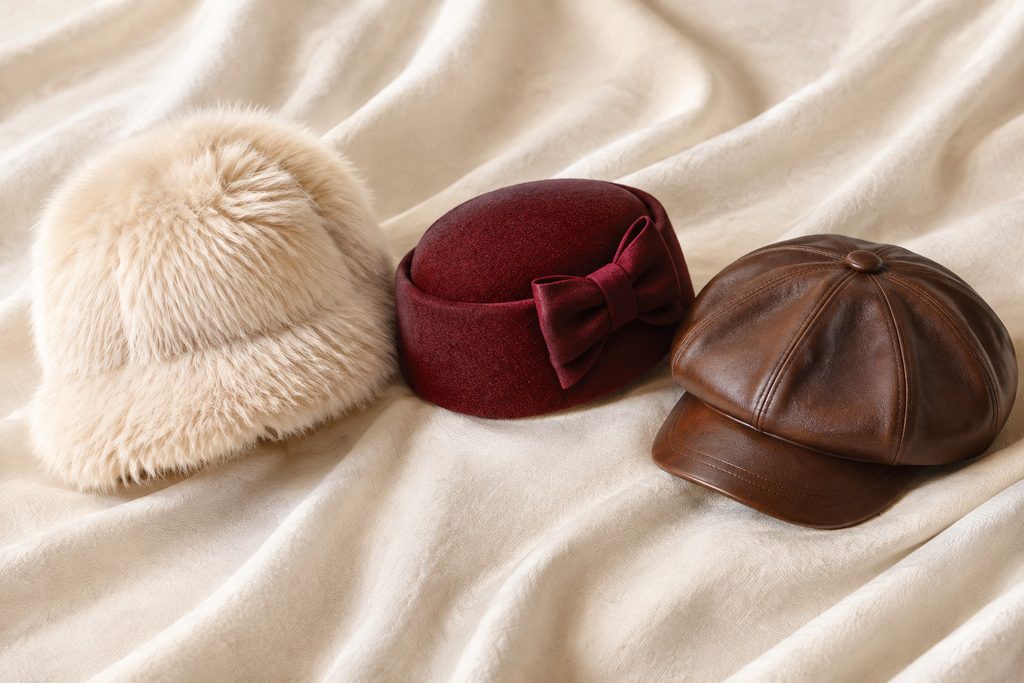
The timing is not a coincidence. Vogue UK has declared 2026 „the year of the silly hat,“ following a year in which the industry crowned „the year of the shoe,“ and the sequence makes sense: after footwear ran out of new ways to be worn, attention moved upward. But the deeper reason is a reaction against the quiet-luxury sameness that has defined recent seasons. When every outfit is beige, tailored and „effortless,“ the fastest way to be read as a person rather than a template is to add one thing that refuses to be tasteful. The hat, as fashion writer Rachel Tashjian put it, is „a shortcut to looking like you have a rich inner life.“
That shortcut comes in three registers. The first is texture: faux-fur and shearling hats that borrow après-ski drama without the mountain, and that read as „luxe winter“ from a distance. The second is vintage structure: the pillbox, the cloche and the newsboy cap, each a small piece of costume history — Jackie Kennedy, the 1920s, the early 2000s — worn with a straight face. The third is the genuinely silly: beanies with cat or rabbit ears, the kind of thing that would once have been a novelty gift and is now a considered styling decision. The common thread is that none of these hats exists to keep you warm. They exist to be noticed, which is exactly the point.
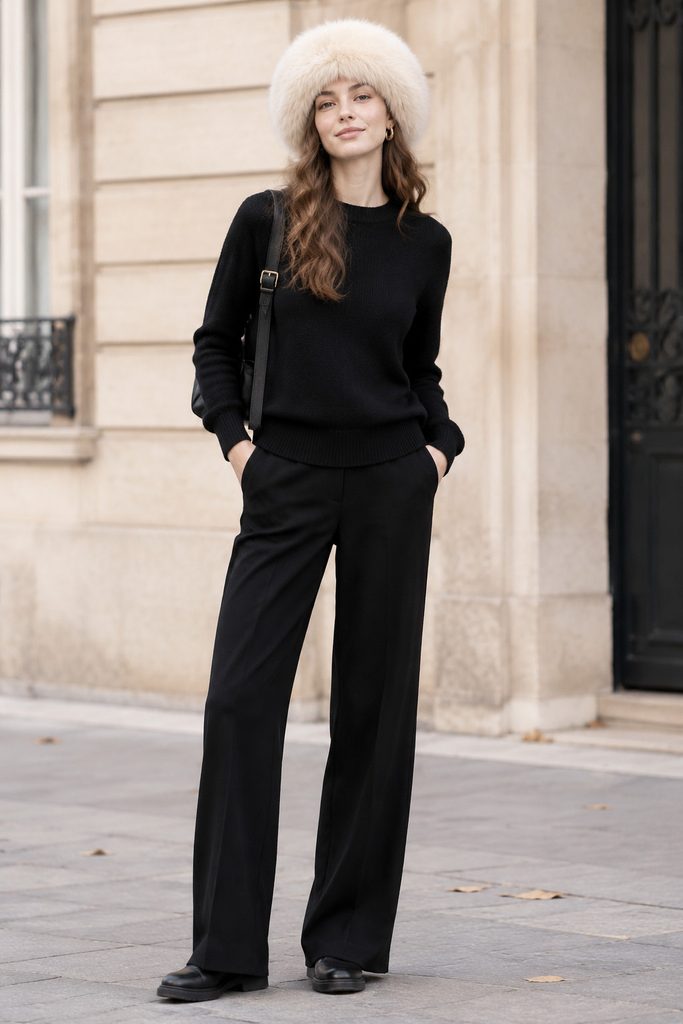
The proof is everywhere, from the street to the runway. Dua Lipa posted a bright red fluffy hat and the internet treated it as a directive; Jennifer Lopez has been photographed making the newsboy cap the season’s grown-up alternative to the beanie. On the Fall/Winter 2026 runways, Bottega Veneta showed playful fringe beanies, Balenciaga put forward riding-helmet-inspired headwear, and Louis Vuitton closed looks with sculptural headpieces. The hat has stopped being the thing you grab on the way out and become the thing you plan the outfit around.
What makes the hat unusual is how democratic it is, and this is where the trend earns its seriousness. A hat asks almost nothing of your body: there is no sizing problem, no fit anxiety, no height or width to accommodate, no tailoring to fail. It is the rare statement piece that works the same across ages, genders and body types, and it crosses climates too — a fluffy hat in a cold Northern winter and a straw or pillbox in a milder one do the same job of adding a point of view. It is also cheap. Where a quiet-luxury coat signals depth through a four-figure price tag, a silly hat signals something similar for the price of a round of drinks, which is why it has become the working antidote to an era of expensive minimalism.
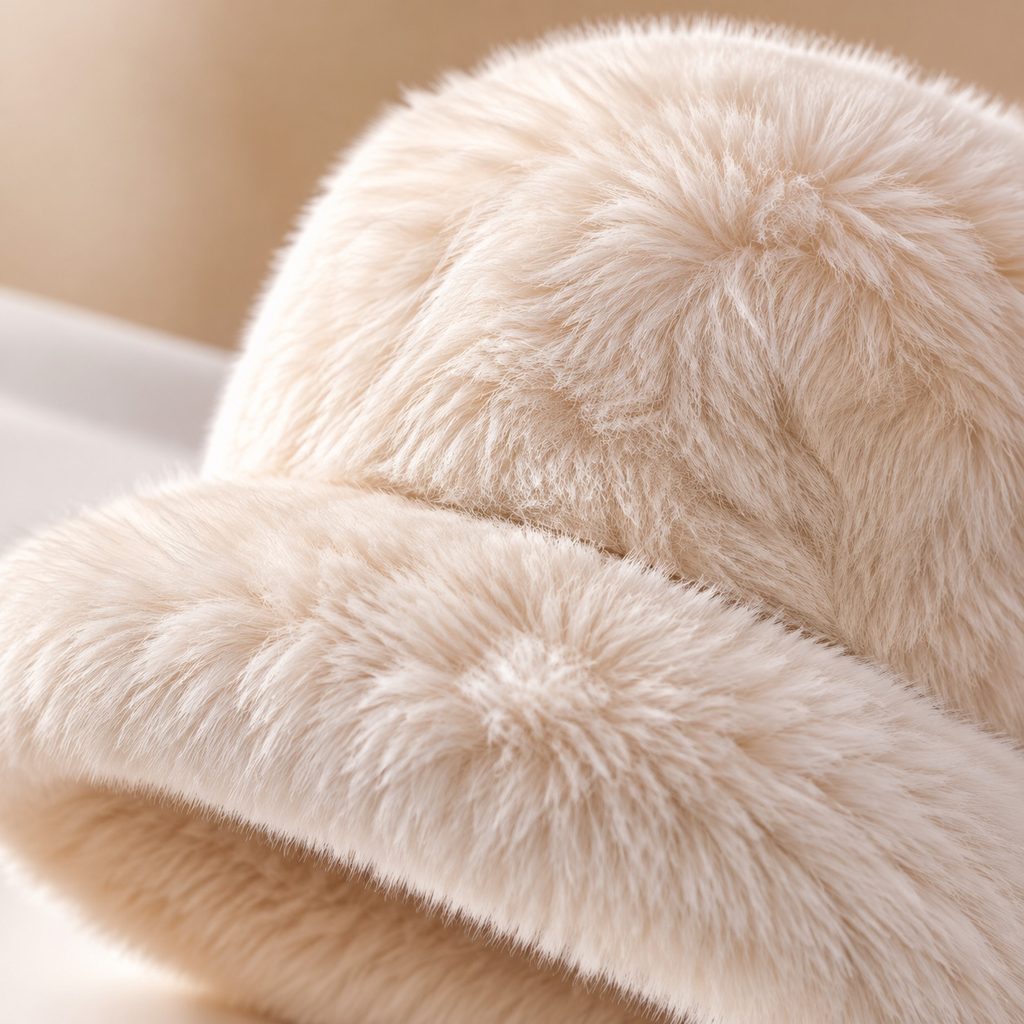
The practical rule is simple and easy to remember: one silly hat, and keep everything else quiet. A fluffy faux-fur hat over a black knit and straight trousers reads as intention; the same hat over a loud print reads as costume. The hat does its best work precisely because it is the single element allowed to misbehave. If you want a version that travels into an office or a dinner, reach for structure rather than whimsy — a pillbox, a cloche or a newsboy cap — and let the silhouette, not the pattern, carry the statement. The genuinely silly end of the spectrum is for everywhere else.
The takeaway is larger than hats. The silly hat is a small, cheap correction to the idea that looking expensive is the same as looking interesting. After years in which restraint was the default proof of taste, the hat reintroduces the possibility that taste can also mean having a sense of humour about yourself — and that a little absurdity, worn deliberately, is the quickest way to stop blending in. Put it in one line: this winter, the most intelligent thing you can put on your head is something a little bit stupid.