


Rigid Denim Is Back — and It’s Asking What Your Jeans Are Worth
Most people have owned a pair of jeans that felt perfect in the fitting room and lost its shape within a season. The waist gaped, the knees bagged, and the fabric went soft in a way that no longer looked intentional. That pair was
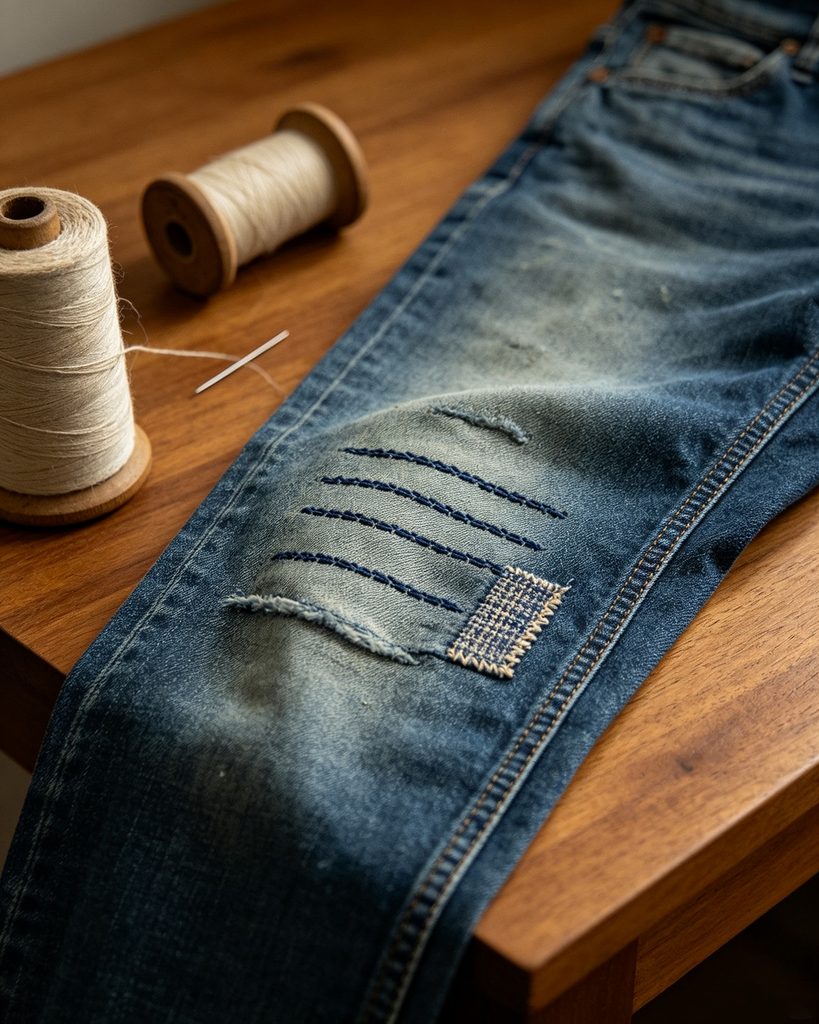
Most people have owned a pair of jeans that felt perfect in the fitting room and lost its shape within a season. The waist gaped, the knees bagged, and the fabric went soft in a way that no longer looked intentional. That pair was almost certainly made with stretch. For two decades, elastane made denim easier to sell — forgiving at the waist, closer in the leg, comfortable on day one. It also made it easier to throw away.
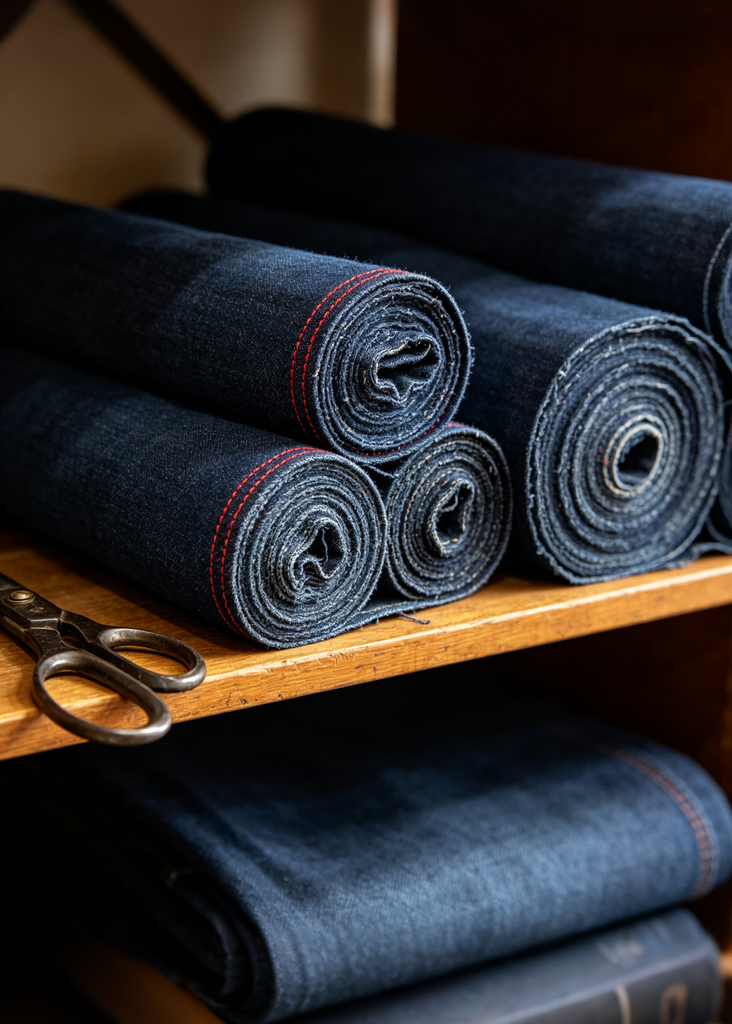
That trade-off is now being renegotiated. Spring 2026 fashion coverage has declared “absolutely zero stretch” the season’s denim direction, tied to heritage workwear and selvedge and worn by celebrities and on runways alike. Behind the trend language sits a consumer shift that matters more than any hemline: shoppers are buying fewer pairs and asking harder questions about how long a pair will actually last.
The distinction is physical before it is aesthetic. Rigid denim is typically 100 percent cotton, while stretch denim adds roughly one to three percent elastane. That small percentage changes how a garment behaves. Stretch forgives fit and moves with the body, but elastane degrades with wear and washing, so the fabric relaxes permanently — the bagging at the knees and seat is the fiber losing its memory. Rigid cotton does the opposite: it resists at first, then molds to the body and holds that shape for years. Comfort at checkout and comfort a year later are not the same thing.
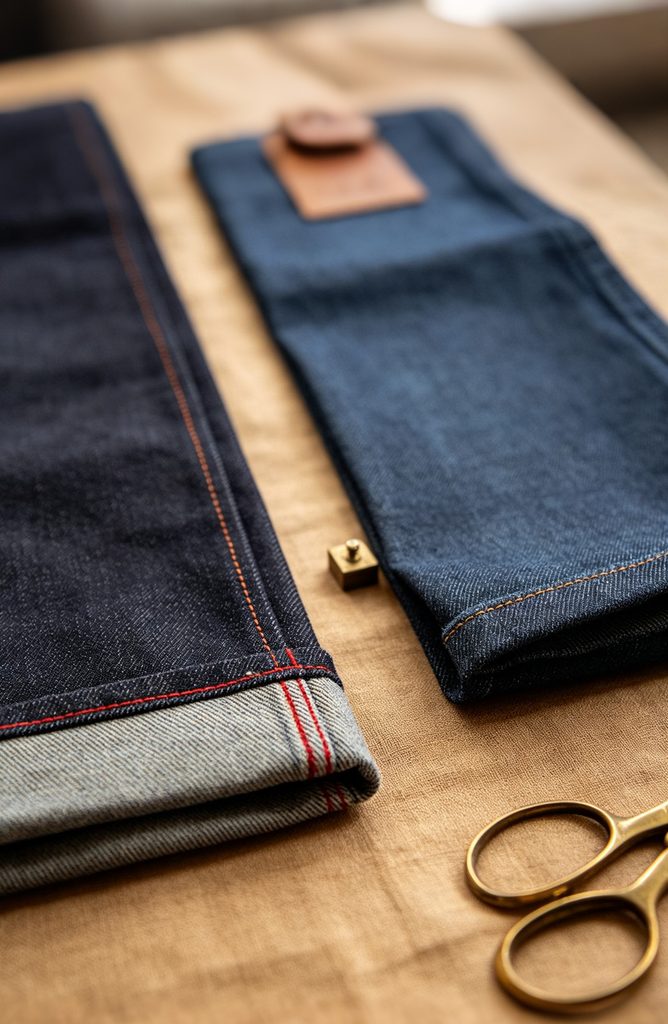
The silhouette shift follows the fiber. The return of straight, wide and relaxed cuts is largely possible because rigid denim holds structure, where skinny jeans needed stretch to work. The market is reflecting the same logic: trade reporting frames denim’s next chapter as value-driven innovation replacing volume, with shoppers buying fewer jeans. Resale makes the point concrete. Rigid, made-in-USA vintage Levi’s holds value in a way stretch pairs rarely do, because a broken-in rigid jean is a more durable and more legible object — a jean with a past it can still pay forward.
The rigid-versus-stretch question does not answer the same way everywhere. In humid heat, heavy raw denim can feel oppressive where a lighter open weave or a touch of stretch might breathe better. For people who sit at a desk, commute by bike or move a lot, full rigid denim can be a genuine mobility problem rather than a style preference. Fit is the sharpest issue: rigid denim is harder to grade across a wide size range, so a brand that celebrates rigid authenticity without offering genuinely size-inclusive cuts is quietly leaving people out. Body type, age, mobility and climate should decide the fiber, not the other way around.

Three directions are worth separating. First, the one-good-pair investment: choose rigid where a jean earns its break-in through years of frequent wear — a classic straight or wide leg meant to be repaired rather than replaced. Second, the modern hybrid: a blend around 98 percent cotton and two percent elastane keeps most of the rigid look while forgiving movement, and the size of the elastane percentage matters more than the label. Third, the resale-minded buy: understand what actually holds value — fabric weight, construction, era and condition — rather than assuming any old pair is an asset.
The everyday insight is simple. Before buying, check the fabric label and the weight. Denim is one of the few garments where a higher upfront cost and a harder first month can mean a lower cost per wear over five years. The shareable version: stretch made denim more comfortable to buy and less worth keeping. If you want a pair that outlasts the trend cycle, the discomfort of a break-in is often the price of a jean that earns its place.
Denim was never supposed to be this complicated, and it remains the most democratic fabric in fashion. The point is not that stretch is bad or that rigid is virtuous. It is that denim has become one of the clearest places to watch fashion’s larger recalculation — away from cheap ease and toward objects that prove their value over time. The question the jeans are asking is the one worth carrying to the rest of the wardrobe: is this thing easy to buy, or is it worth keeping?