


Leopard Print, Velvet and Crimson: Why Fall/Winter 2026 Is the Season Quiet Luxury Lost Its Monopoly
For the better part of three years, the formula for looking expensive was stable: a beige coat, a logo-free bag, a narrow palette of oatmeal, cream, black and grey. Quiet luxury was not only the dominant aesthetic — it was the only one that
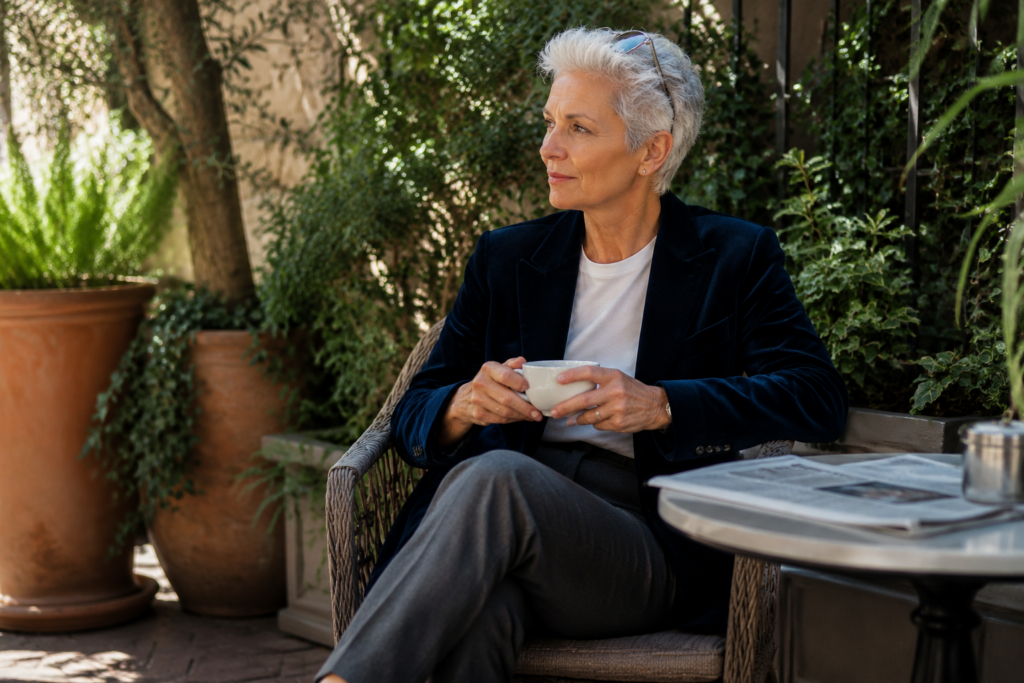
For the better part of three years, the formula for looking expensive was stable: a beige coat, a logo-free bag, a narrow palette of oatmeal, cream, black and grey. Quiet luxury was not only the dominant aesthetic — it was the only one that seemed to signal taste. Then Fall/Winter 2026 happened. Leopard coats walked at Ralph Lauren and Jil Sander. Velvet covered everything from Armani tailoring to Victoria Beckham dresses. Crimson red appeared as a single-shot statement at Prada, Balenciaga and Valentino. The season did not quietly evolve. It turned.
The shift is not simply a runway story. It reflects a consumer mood that had been building for seasons. When every high-street retailer, resale feed and social media mood board adopted the same beige, logo-free codes, discretion stopped looking like confidence and started looking like a uniform. As the fashion analysis site Fashionisers put it in June 2026, quiet luxury “did not vanish — it lost its monopoly on good taste.” The codes still sell. They just no longer say anything distinctive about the person wearing them.
Three expressions of the pivot deserve attention, because each is more adaptable to everyday wardrobes than runway photographs tend to suggest.
**Leopard print as the season’s most unexpected neutral.** FashionUnited’s New York Fashion Week coverage noted that animal prints — particularly leopard and cheetah — appeared at Anna Sui, Norma Kamali, Ralph Lauren, Ulla Johnson, Kim Shui and Carolina Herrera, treated less as a statement and more as a base layer. Hypebeast called it “Leopardmania,” pointing out that even minimalist labels historically associated with restraint — Lemaire and Jil Sander — embraced the print. The message has shifted: where leopard once read as bold, FW26 is treating it as a grounding pattern, styled the way previous seasons styled camel or charcoal. A leopard coat worn over all-black, or leopard flats with relaxed denim, follows the same instinct that previously led shoppers to a beige trench.
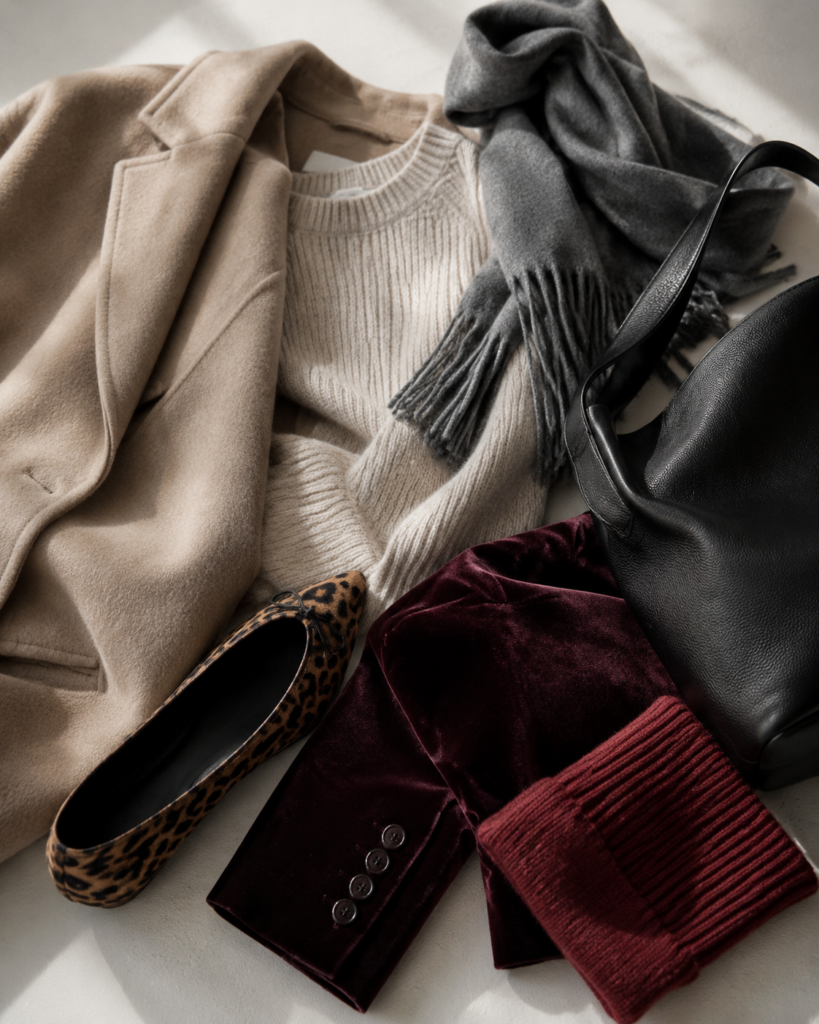
**Velvet as the texture that replaced flat surfaces.** If quiet luxury was defined by matte finishes and visual restraint, FW26 answered with velvet — not as an evening-only accent but as a full-day proposition. Giorgio Armani showed fluid velvet in dark navy and forest green, where the fabric’s surface interest — not the silhouette — carried the collection’s expressive weight. Victoria Beckham offered sharp velvet tailoring. Dior leaned into aristocratic velvet jackets. Net-a-Porter’s chief buying and merchandising officer identified mixed textures — velvet paired with leather and charmeuse — as a key buying direction for the season. For readers building a fall wardrobe, the takeaway is practical: one velvet piece — a jacket, a trouser, a bag — adds the surface interest that quiet luxury deliberately avoided, without requiring a full aesthetic overhaul.
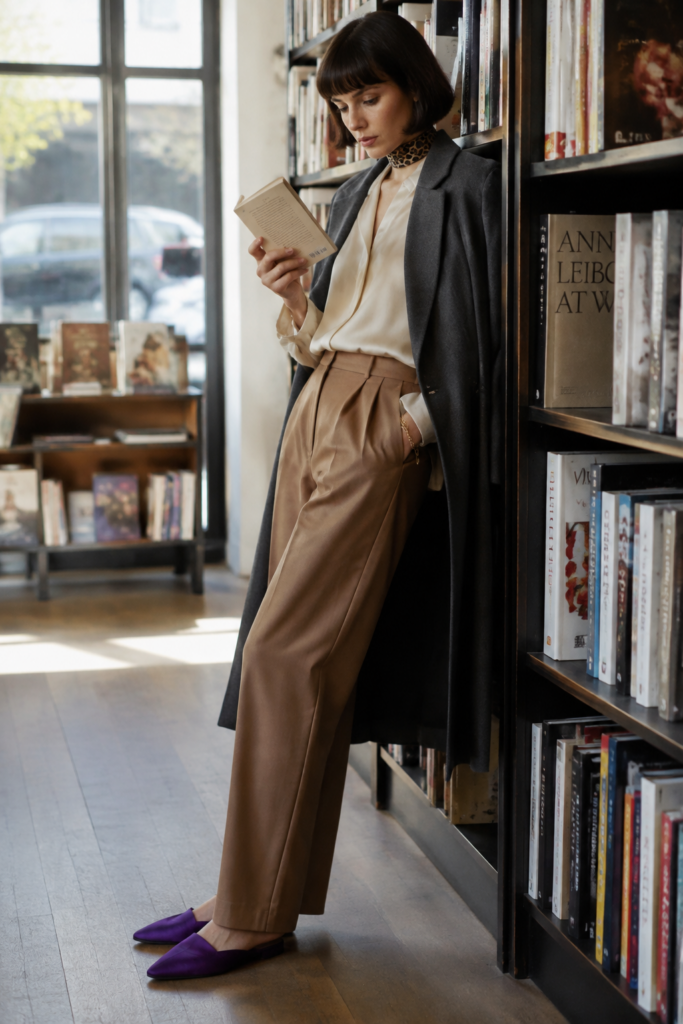
**Single-shot color replacing head-to-toe beige.** The most repeatable FW26 styling idea may be the simplest: one saturated piece worn against an otherwise neutral outfit. Pierpaolo Piccioli’s Balenciaga couture debut in July sharpened the instinct with its own version of the logic: saturated lime green, pistachio, turquoise, raspberry and tangerine deployed one at a time against grounding black, treating color as punctuation rather than continuous noise. Heuritech, the AI-powered trend forecasting platform, identified rich red-purple tones as a standout FW26 direction, with purple-red flagged as one of the season’s fastest-rising shades in European markets. The chartreuse greens and electric purples that appeared at Diesel, Miu Miu and Loewe follow the same logic: color as punctuation, not wallpaper. For international readers who spent recent seasons building a neutral wardrobe base, this is the lowest-risk entry point into the new mood — one crimson knit, one violet bag, one pair of emerald flats worn with everything already in the closet.
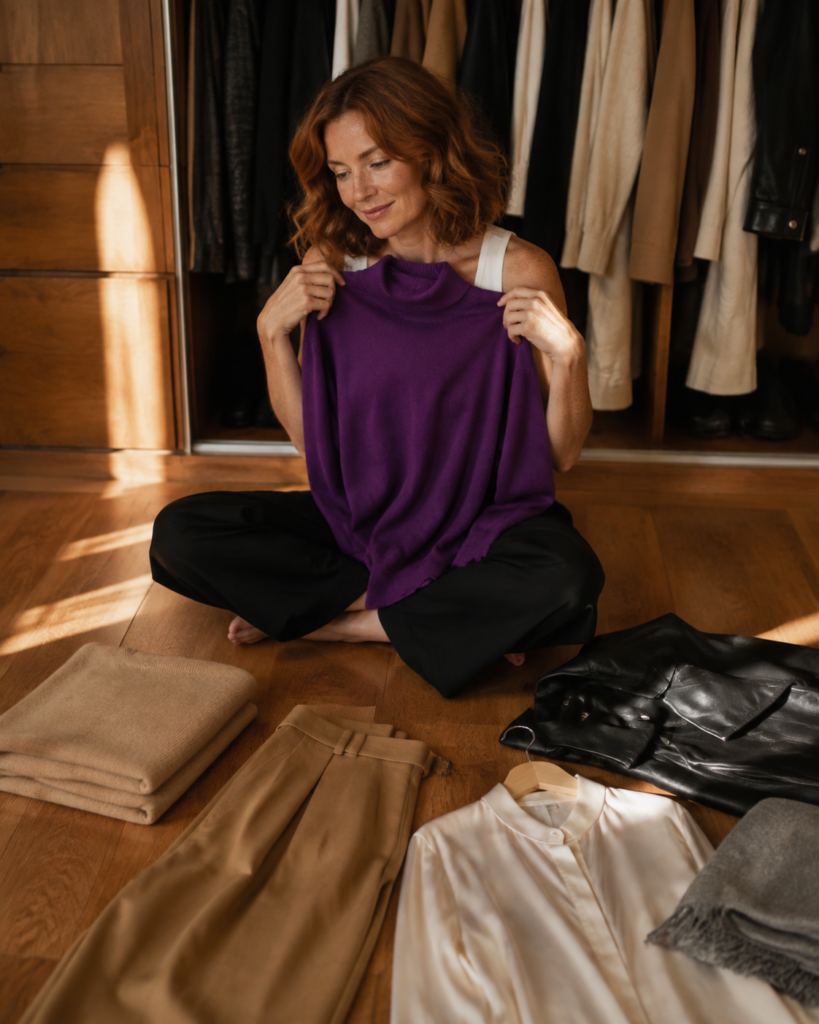
What makes this moment different from previous pendulum swings — minimalism to maximalism and back — is that FW26 is not proposing a wholesale replacement of the quiet luxury wardrobe. It is editing it. The craftsmanship, quality and fit that quiet luxury championed have not been discarded; they have been absorbed as baseline expectations. What the runways are adding is permission: permission to be seen, to wear something that reads as a choice rather than a default, to let one piece carry the personality while the rest stays disciplined. Heuritech calls this “Subjective Maximalism” — intentional expression rather than excess.
For international readers, the translation matters across climates and retail realities. A velvet blazer works in a London or New York office where a leopard coat might feel like too much. Leopard flats or a leopard bag bring the print into a Los Angeles or Sydney wardrobe without adding heat or weight. A single crimson accessory shifts the energy of a neutral travel wardrobe without adding bulk. These are not abstractions. They are styling decisions that work inside real budgets, real weather and real bodies — and they do not require replacing a wardrobe, only rethinking how to wake it up.
The closing takeaway is not that beige is wrong or that everyone should dress louder. It is that fashion’s center of gravity has moved. For the past several years, looking expensive meant looking restrained. FW26 suggests that looking current means looking like you made a decision — and that decision does not have to be quiet to be tasteful.