


Why Repeating an Outfit Became the New Sign of Taste in 2026
There was a time, not long ago, when being photographed in the same dress twice was a small scandal. In 2006, when Reese Witherspoon wore a Chanel gown that Kirsten Dunst had already worn, the story was reported as a slip rather than a
There was a time, not long ago, when being photographed in the same dress twice was a small scandal. In 2006, when Reese Witherspoon wore a Chanel gown that Kirsten Dunst had already worn, the story was reported as a slip rather than a statement. Twenty years on, the signal has flipped. In 2026, re-wearing an outfit — deliberately, visibly, with a small styling change — reads as a mark of taste and discipline rather than a failure of the wardrobe. The more interesting question is why the meaning of repetition changed so completely, and what that reversal tells us about how people now value clothes.
The inversion has a clear cause, and it is not virtue alone. Three pressures arrived at once. First, clothing prices kept climbing while incomes did not, which turned a niche shopping habit — the cost-per-wear calculation — into a mainstream reflex: a $220 coat worn 125 times is cheaper per wear than a $60 coat worn 25 times. Second, sustainability guilt matured into something harder than guilt; people simply stopped wanting to buy their way out of a problem. Third, the churn of micro-trends exhausted its own audience and made novelty itself feel cheap. Once “new” stopped being a compliment, “worn again” became one.
The clearest evidence is how loudly celebrities now do it. Cate Blanchett has become the figure most tied to the habit: she re-wore the Armani suit from the 2025 Emmys at the Armani Privé fall 2026 couture show, restyled with fresh layering, and Vogue has written up Zendaya’s own “something borrowed” as a gown lifted straight from Blanchett’s closet. Zendaya took the white ruffled Louis Vuitton bolero from her Odyssey press tour and wore it again with jeans at the spring 2027 show — the same piece, a completely different register. Zoë Kravitz repeated the same trousers, bag and boots across two days of street style. On social media, the ironic “re-wearing the same outfit is kinda chic” format went viral. And when Jaclyn Smith re-wore her son’s wedding outfit to the 2026 Emmys, her defence was the most revealing line of all: “If Princess Kate can rewear something, I can rewear something.” Repetition has stopped being a secret and become a talking point.
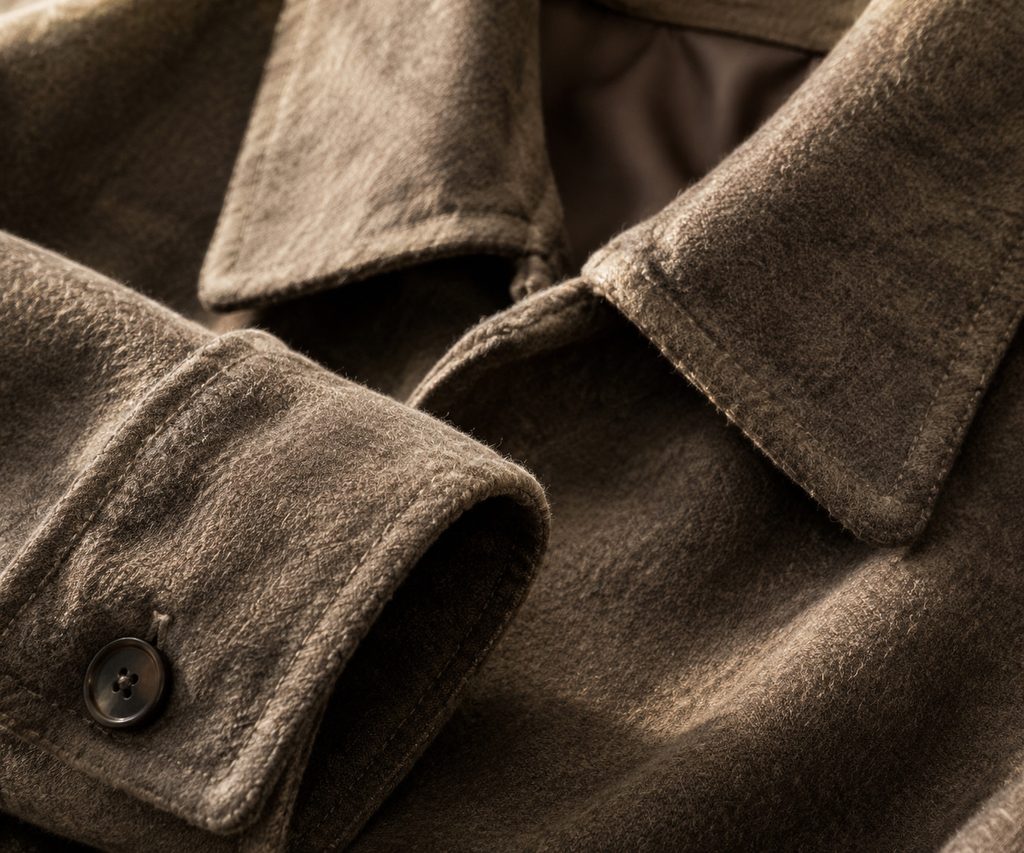
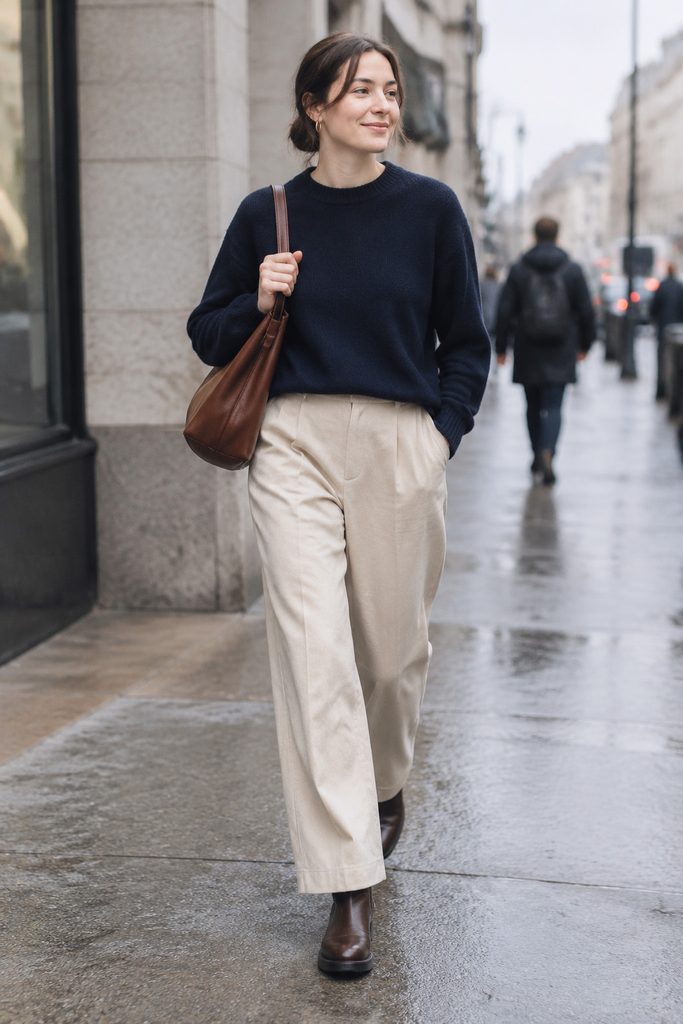
But this is not only a celebrity story. The same shift runs through ordinary dressing, where it changes how repetition actually works across climates and bodies. Repeating a winter outfit is not the same act as repeating a summer one: a coat, knit and boots are built to be worn repeatedly through a cold Northern European or North American winter, so repetition there is nearly invisible, while a single-occasion summer dress repeated across a season reads as far more deliberate. Re-wearing is also the most size-inclusive advice there is, because it starts from clothes that already fit your body rather than asking you to fit a new one. The one obvious limit is that bodies and lives change — pregnancy, illness, a new job or a growing child can all make new clothes a genuine need rather than an indulgence, and there is no virtue in refusing them. The exception that proves the rule is occasion wear. A ThredUp survey found that 87% of wedding guests still buy an outfit they will wear only once — the exact territory where the old “never twice” rule survives, and where the quickest win lies, because the most sustainable and economical outfit is usually the one already hanging in the wardrobe.
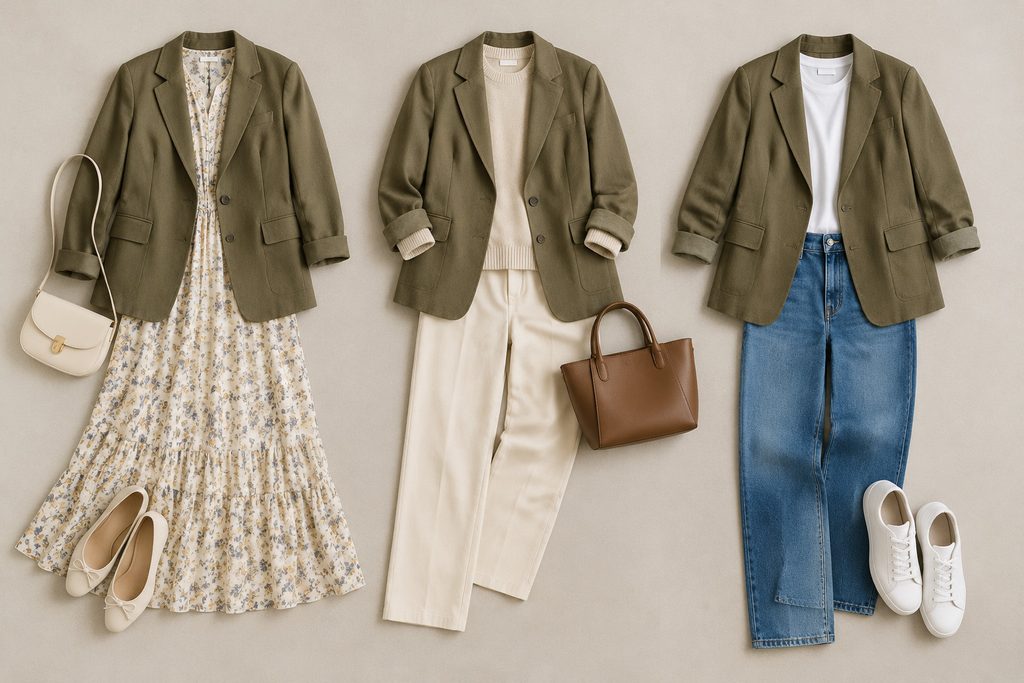
From there the argument splits into three usable directions. The first is arithmetic: cost-per-wear exposes the false economy of cheap clothes and rewards the pieces you will actually wear dozens of times. The second is skill: re-wearing is rarely wearing the identical outfit again, but restyling one piece across combinations — the same jacket over a dress, then over a knit and jeans — which is why the habit has quietly become a marker of styling ability rather than a lack of it. The third is the signal: in a market where logos and newness have lost their shine, the person who wears something again is signalling that their style is drawn from their own wardrobe rather than from whatever is newest. Repetition has become a quiet flex precisely because it cannot be faked; you have to actually use your wardrobe to pull it off.
The takeaway is practical before it is philosophical. If you want to dress better in 2026 without spending more, the fastest move is not to buy anything. It is to treat the wardrobe you already own as a set of parts rather than a collection of outfits, and to stop treating “worn once” as the default. Re-wearing is the one so-called trend that lowers your cost per wear, shrinks your footprint and sharpens your styling all at once — which is why it is not really a trend at all, but the correction of one.