


The Coat Is Fashion’s Last Honest Investment
Fashion has spent a decade calling everything an "investment piece" — a dress, a slogan tee, a micro-bag. Most of those claims die the moment you check the resale listing. The coat is different. It is the one category where "investment dressing" actually survives
Fashion has spent a decade calling everything an “investment piece” — a dress, a slogan tee, a micro-bag. Most of those claims die the moment you check the resale listing. The coat is different. It is the one category where “investment dressing” actually survives contact with reality: the cost per wear works, the resale value holds, and the climate makes the piece necessary rather than optional. The coat has quietly become fashion’s most honest object.
Three changes pushed the coat to the front. First, shoppers now check resale value before buying — a habit that once belonged to watch and handbag collectors has spread to ready-to-wear. Second, trend fatigue and quiet-luxury fatigue have moved people toward things that read as substance rather than signal. Third, increasingly volatile weather has turned the coat into something you actually depend on, not just a style choice. Together they convert a seasonal purchase into a rational one, and that is rare in this industry.
The clearest proof is the arithmetic. Cost per wear is where the coat wins: a structured wool coat worn a few hundred times over six years can cost less per wear than a fast-fashion coat replaced every second winter, even though the sticker price is eight times higher. Resale compounds the gap. A ten-year cost analysis of outerwear puts leather and good wool at the top of the value curve — leather can hold roughly half its price, wool and cashmere blends about a third — while synthetics collapse to almost nothing. That is the opposite of how most fashion works, where the cheap version is genuinely cheaper and the expensive one is mostly a signal. The catch is that this arithmetic only works for a shopper who can afford the good coat up front — “buy better” is honest advice, but it presumes starting capital.
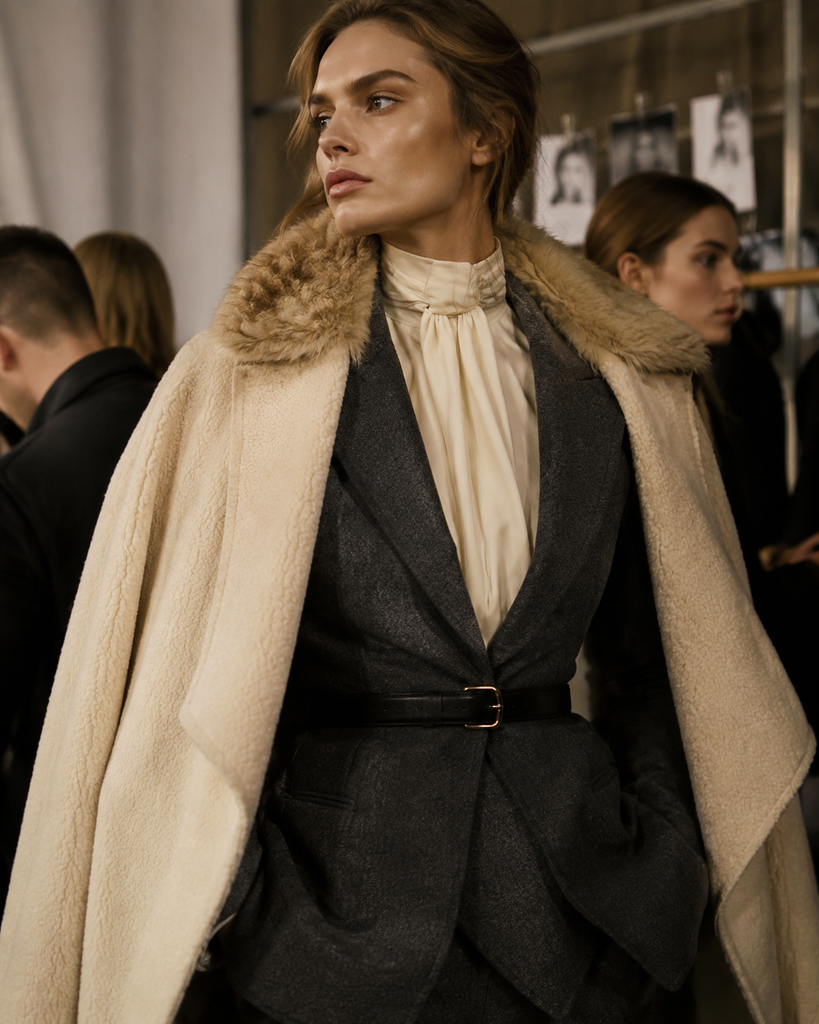
The coat also carries identity more honestly than a logo. The fall 2026 direction — structured shoulders, fitted waists, capes, tactile shearling and faux-fur — is really a bet that a garment’s shape and fabric can say “dressed” without a name on the lapel. W Magazine’s rundown of the season’s runway trends centers on structure and texture — tailoring, strong shoulders, tactile fabrics — rather than branding. The coat is the easiest piece to get “dressed, not overwrought” right, because the silhouette does the work for you.
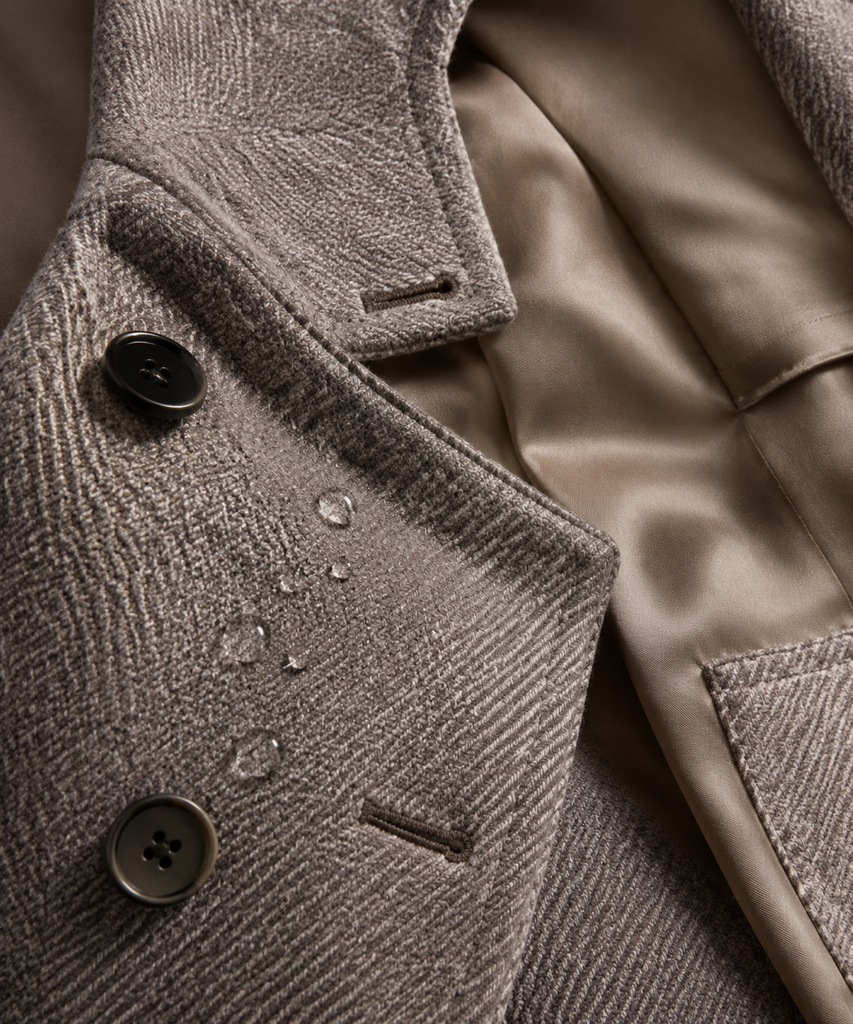
And because a coat must actually function across weather, its materials stop being abstract jargon and become specs a buyer reads. Wool percentage, lining, water resistance, layering room — these decide whether the piece survives a London drizzle and a New York November, or dies in a closet by February. That practical filter is exactly why the category rewards honest construction and punishes decoration. A coat cannot coast on a mood board.
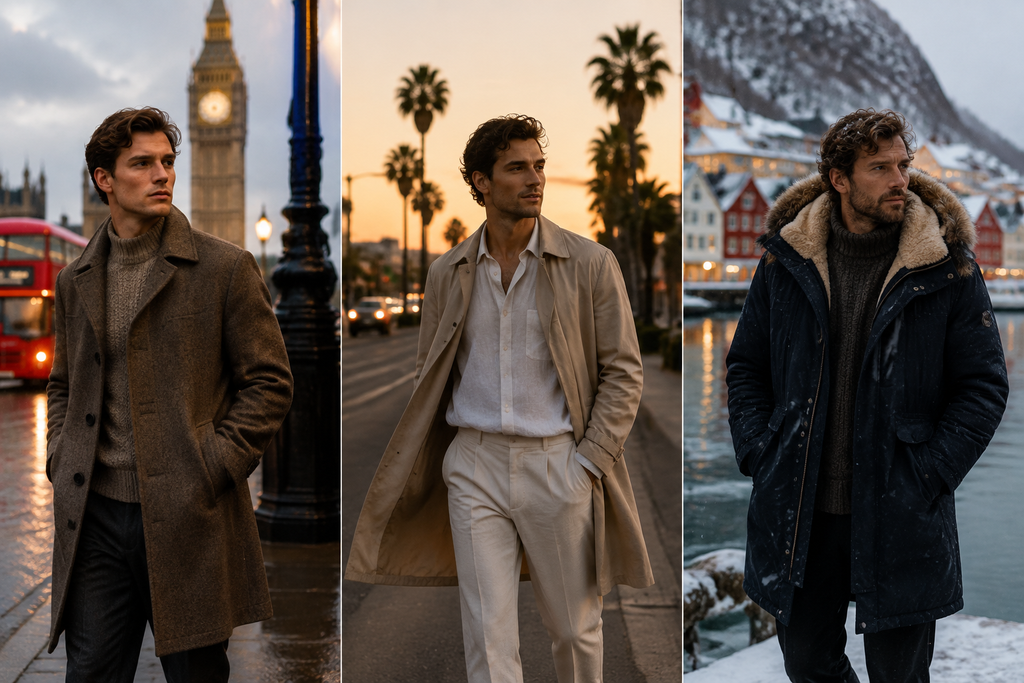
For international readers, “the good coat” means different things in different places, and that is the point. In London or New York it is a wool overcoat that layers over a knit; in Los Angeles or Sydney it is a lighter transitional piece that earns its place in the evening; in Northern Europe it is down or shearling for real cold. Fit matters just as much as climate: a classic-fit coat that leaves room for layering and alteration outlives a slim one cut for a single version of your body. The honest investment is the one that fits your weather and your life, not the one on the front row.
The practical takeaway is to judge a coat by what you can verify, not what it promises: fiber and construction first, then resale demand, then a silhouette that works in your climate and on your body. Buy the coat before the knit, the trouser or the bag — it is the highest-leverage single purchase in a wardrobe, visible in almost every outfit for a third of the year. And buy it to wear constantly, because cost per wear only works on pieces you actually reach for, never on the aspirational version of yourself.
“A cheap coat is more expensive than an expensive coat.” That sentence is almost always wrong in fashion — and true in exactly one place. The coat is where the industry’s “buy less, buy better” promise can still be kept, because there the math is real and not a slogan. In a market drowning in marketing, that honesty is the real luxury.