


The Archive Is Not Nostalgia: Why 2026 Shoppers Want Clothes With a Past
Fashion has always loved the past, but the current fascination with archives feels different from another cycle of retro taste. In 2026, an old dress, a reissued tote or a vintage jacket does not simply say that the wearer enjoys a previous decade. It

Fashion has always loved the past, but the current fascination with archives feels different from another cycle of retro taste. In 2026, an old dress, a reissued tote or a vintage jacket does not simply say that the wearer enjoys a previous decade. It says the garment has already survived one fashion system and may be better equipped to survive this one.
That distinction matters because shoppers are not only looking for novelty. They are also looking for proof. After years of price increases, trend acceleration and algorithmic sameness, the most convincing clothes are often those that arrive with evidence: a recognizable cut, a fabric that has aged well, a designer context, a brand memory, a previous life. The archive has become fashion’s quiet answer to a difficult question: why should this piece deserve attention now?
McKinsey and The Business of Fashion’s State of Fashion 2026 report, published in November 2025, describes a market shaped by cautious consumers, low growth and a stronger search for value. That climate changes the emotional meaning of vintage and archival style. A secondhand purchase is not only a cheaper alternative to newness. A reissue is not only a sentimental product drop. Both speak to a consumer who wants more confidence before buying.
The red carpet has made the idea visible. Marie Claire UK reported in March 2026 that rare archival fashion has become a celebrity status language, driven by garments that signal knowledge, access and cultural memory rather than spending power alone. Vogue’s May 2026 Cannes coverage complicated the story further, reporting that current-season and fresh-off-the-runway looks were surging back as archival dressing declined — a signal that the archive’s red-carpet dominance may be peaking rather than permanent. That tension is useful. It shows that the archive is no longer a simple opposition to new fashion. It is part of how fashion now negotiates meaning, and its prominence ebbs and flows with creative-director cycles, ambassador contracts and the speed at which new collections reach celebrities.
For ordinary wardrobes, the lesson is less theatrical. Most people are not sourcing museum-level couture. They are deciding whether a 1990s leather jacket, a pre-owned designer skirt, an inherited coat, a repaired bag or a reissued brand classic feels more compelling than a new item designed to look old. The appeal is not just rarity. It is specificity. A garment with a past often gives the wearer a stronger story than a trend category can.
This is why provenance is becoming a style tool. Provenance does not have to mean auction-house documentation. It can mean knowing the decade, the fabric, the original purpose, the previous owner, the tailoring alterations, the local vintage shop, the archive image or the reason a brand brought a design back. When a piece carries context, it becomes easier to style with intention rather than simply consume as content.
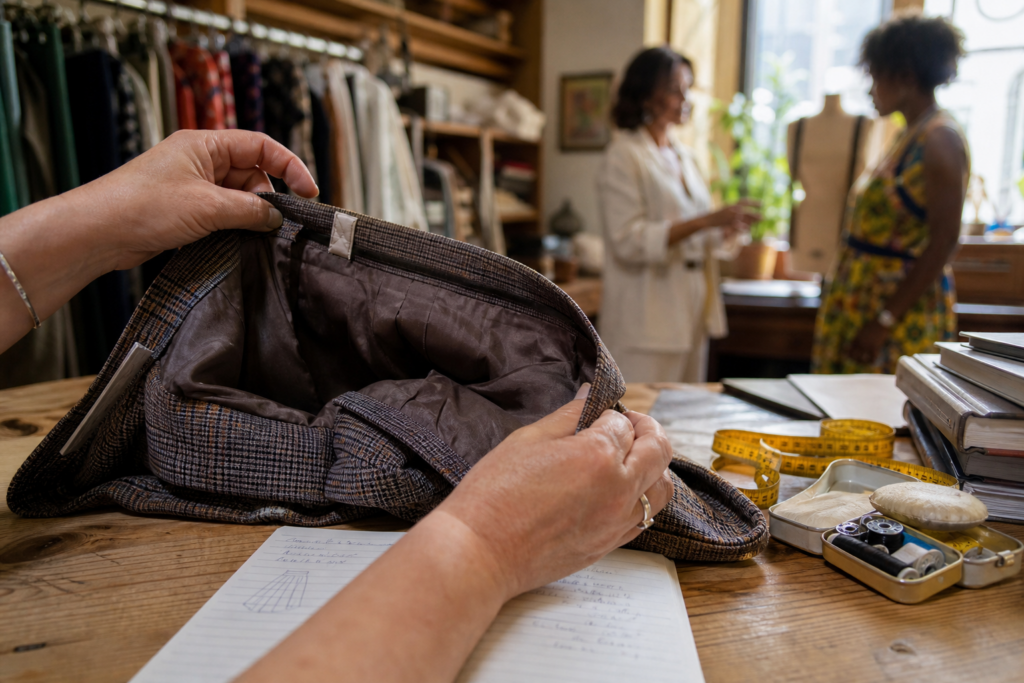
The archive also pushes back against trend fatigue. If every platform is showing the same shoe, the same bag shape or the same “core” aesthetic, older clothes can restore friction. They may not fit the current sizing grid. They may require tailoring, repair or more careful cleaning. They may ask the wearer to mix decades, textures and proportions instead of copying a full look. That inconvenience is part of the point. It slows fashion down enough for taste to re-enter.
But archival style should not be romanticized as automatically sustainable or inclusive. Many vintage markets still privilege smaller sizes, fragile materials and expensive access. A 1990s sample-size dress cannot stand in for broad representation. A rare piece can be culturally meaningful and still inaccessible to many bodies. If the archive is going to matter beyond celebrity dressing, brands, resale platforms and retailers have to translate its lessons into better size ranges, better repair services, clearer condition notes and more adaptable fits.
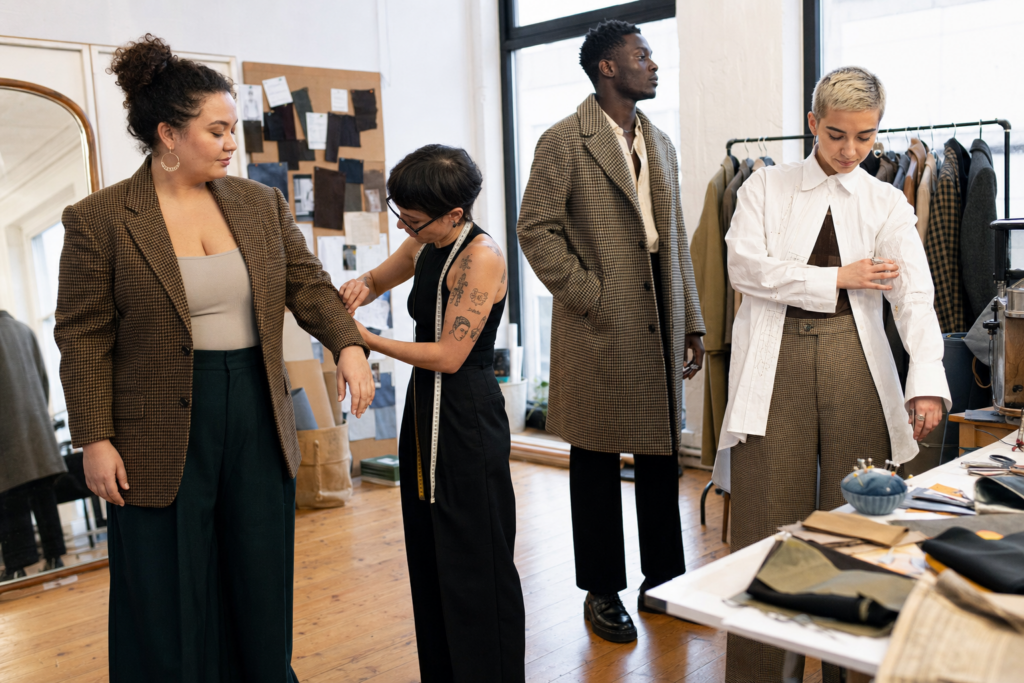
Climate and geography also change the argument. A wool coat from a northern European archive may be a smart long-term purchase in London, Toronto or Copenhagen, but irrelevant in humid Singapore or Miami. A structured vintage blazer may work for hybrid offices in New York or Paris, while a breathable cotton dress or linen shirt may carry more value in hotter regions. The useful archive is not one fixed aesthetic. It is the past edited through present conditions.
The resale market gives this shift commercial weight. ThredUp’s 2026 Resale Report projects the global secondhand apparel market will reach $393 billion by 2030, growing faster than overall apparel. That scale matters because it moves archival thinking out of niche collector culture. More shoppers are learning to read condition, fabric, cut, brand history and resale potential. In other words, they are learning to evaluate clothes as objects with lifespans, not just as images with launch dates.
Retailers are responding by turning archives into current product strategy. During Milan Design Week 2026, Giorgio Armani launched the second chapter of ARMANI/Archivio, reissuing 13 men’s and womenswear looks spanning 1979 to 1994 — centered on the jacket, the house’s defining category — and selling them through armani.com, select boutiques and Mytheresa. Whether every reissue becomes a lasting wardrobe piece is another question, but the logic is clear: brands understand that memory can be a form of product trust. A design with a known past can feel less arbitrary than a trend invented for one season.
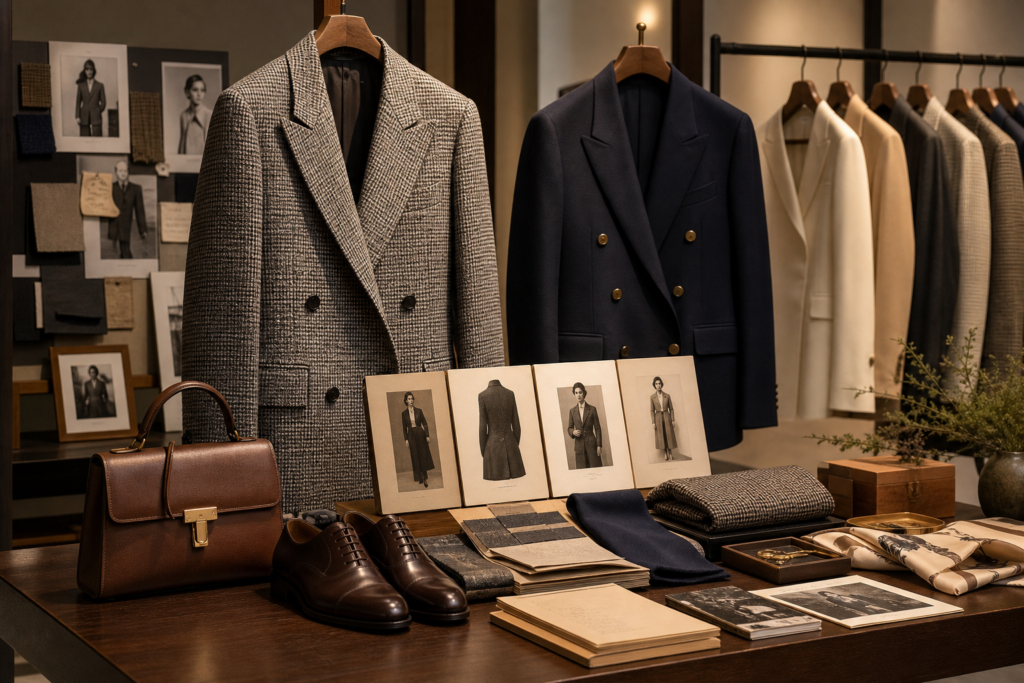
The most shareable takeaway is simple: the archive is not about dressing like the past; it is about asking today’s clothes to earn a future. A piece with history reminds shoppers to look for durability, repairability, emotional attachment, proportion and context. It makes cost per wear feel less like a spreadsheet and more like a relationship between body, garment and time.
For readers, the practical test is direct. Before buying something new, ask whether it could become the kind of piece someone would want to find later. Does the fabric improve or collapse with wear? Can it be altered? Does the color flatter more than one styling mood or skin tone? Is the silhouette specific without being trapped in one microtrend? Would the item still make sense if the platform that popularized it disappeared tomorrow?
This does not mean every wardrobe should become vintage-first. New clothes are necessary, especially for size inclusivity, adaptive needs, climate-specific dressing and technical performance. The better point is that archival thinking can improve new shopping. It encourages people to ask for construction, memory and long-term use, even when the garment is newly made.
The archive is powerful in 2026 because it offers what the fashion market has made scarce: patience, evidence and individuality. Its real value is not nostalgia. It is a reminder that the most modern clothes may be the ones that can carry more than one moment.