


Lyst Index Q1 2026: Chanel Leads as Reference-Led Search Changes How Fashion Gets Discovered
The Lyst Index Q1 2026 does not simply tell the industry which brand is hot. Its more useful message is about how fashion attention is being formed. Chanel reached number one for the first time in the Index's history, but the broader signal is

The Lyst Index Q1 2026 does not simply tell the industry which brand is hot. Its more useful message is about how fashion attention is being formed. Chanel reached number one for the first time in the Index’s history, but the broader signal is that shoppers are increasingly discovering products through references: a person, a film, a styling mood, a decade, or a cultural image that gives a product meaning before price or category does.
Lyst says it has updated the Index methodology for 2026, moving beyond a single search-based ranking into a model built around Desire, Demand and Discovery. The platform says the Index draws on behavior from 160 million annual shoppers, combining shopping data with signals from search, social activity and engagement. That change matters because it recognizes a behavior many fashion readers already know: people often begin with a reference rather than a product name. A shopper may search for Carolyn Bessette-Kennedy style, a Wuthering Heights press-tour look, or a 90s minimalist office outfit before they search for a specific skirt, shoe or bag.
Chanel’s result sits directly inside this new discovery logic. According to Lyst, the house entered the Index at number one in Q1 2026, helped by attention around Matthieu Blazy’s new creative direction and the wider cultural conversation around the brand. Two Chanel products also appeared in the top 10 hottest products: the Chanel spectator pumps at number two and the Chanel Maxi Flap Bag at number six. The ranking does not mean every shopper is suddenly buying Chanel. It means Chanel became unusually visible across the signals Lyst tracks: desire, search, social momentum and product-level attention.
The rest of the brand list shows a similar mix of heritage, creative change and cultural visibility. Saint Laurent ranked second. Dior, now under Jonathan Anderson’s creative direction, entered the ranking at number three. Gucci moved to number five, with Lyst connecting its momentum to Demna’s arrival and the debate around the brand’s next chapter. These are not neutral movements on a spreadsheet. They show how quickly a designer appointment, a runway reset or a single recognizable product can change the way shoppers search.
The most revealing part of the product ranking is its range. Chanel’s high-priced Maxi Flap Bag can sit on the same hottest-products list as the Trader Joe’s mini tote, which Lyst ranked at number eight. Kangol’s flat cap also appeared in the top 10, helped by the revival of 90s styling references. That combination is important. It suggests that “hot” in 2026 is not only about luxury price point. It is also about recognizability, emotional association and whether a product can attach itself to a shared cultural image.
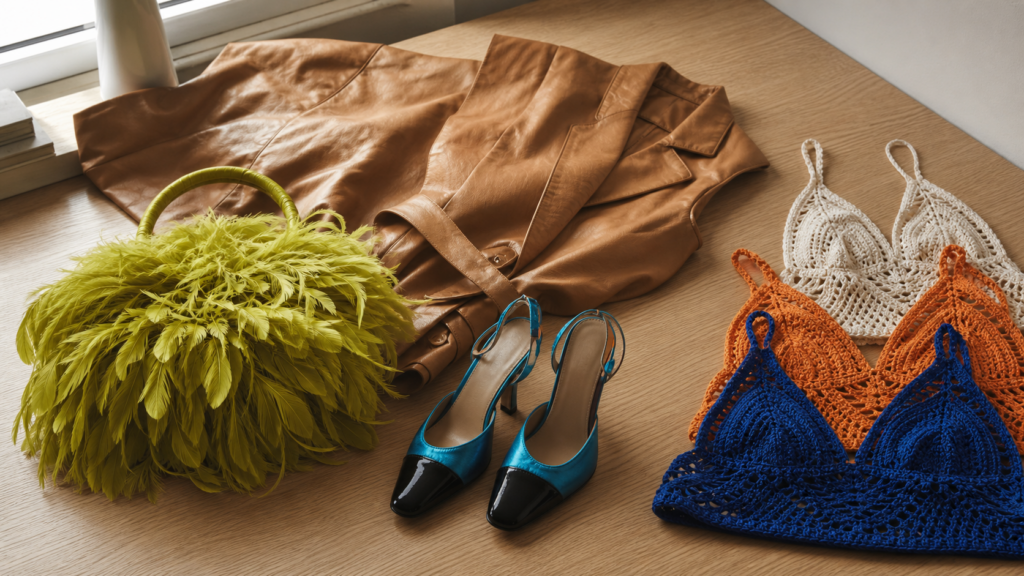
This does not prove that quiet luxury is over. A safer reading is that quiet luxury is no longer the only dominant lens through which fashion is being interpreted. The Lyst product list still contains minimalist and 90s-coded references, while Lyst’s Spring/Summer 2026 trend report points to a more expressive runway mood: feathers, bralettes, leather, power shoulders, saturated color and enlarged florals. The interesting shift is not a clean replacement of minimalism by maximalism. It is a messier market where restrained styling, nostalgic references and expressive runway details all compete for attention.
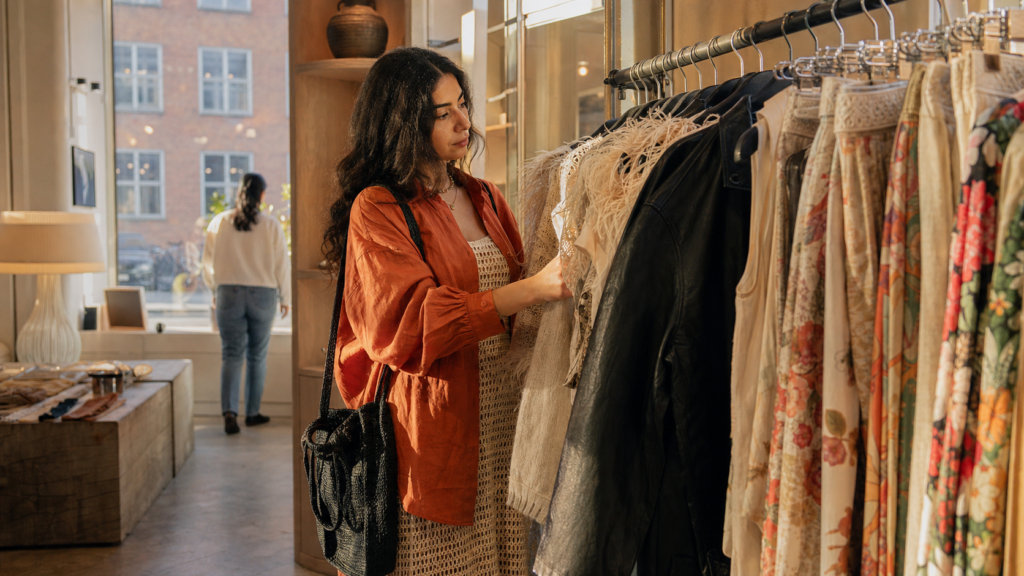
For fashion media and retailers, reference-led search changes the job of product presentation. A product card that says “black skirt” is useful, but it may not explain why that skirt matters now. A stronger editorial frame might connect it to 90s minimalism, office dressing, a film reference, a celebrity styling moment, or a broader wardrobe problem. That does not mean every article should chase viral language. It means readers increasingly expect context: where a look comes from, why it is resurfacing, and how it can be worn without becoming costume.
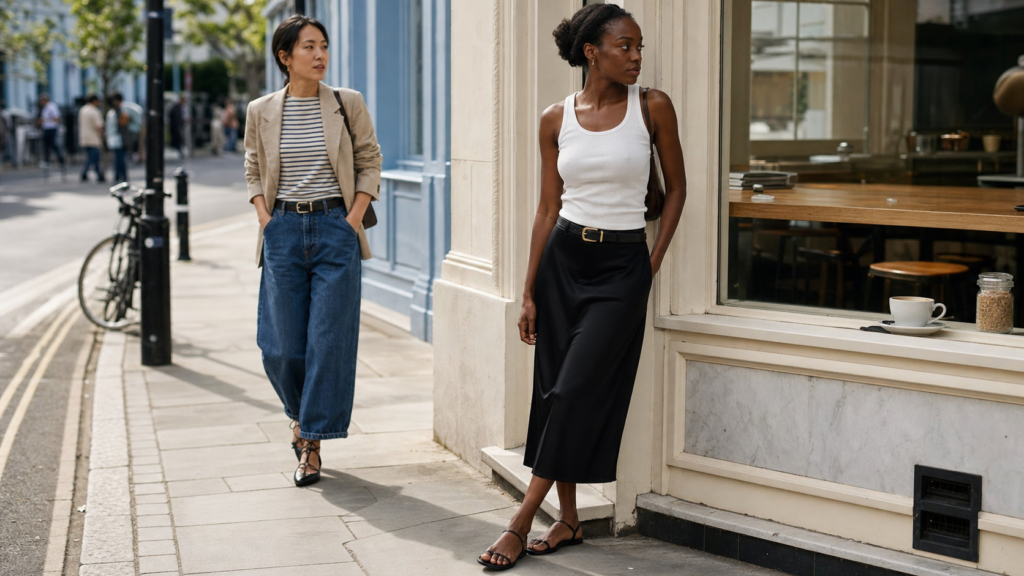
For international readers, the practical lesson is more grounded than the rankings may suggest. References travel differently across climate, budget, age, body type and culture. A 90s minimalist outfit may look like a slip skirt and sandals in Los Angeles, a blazer and flat shoes in London, or a lighter linen version in a humid city. A maximalist runway cue might become a feather-trimmed evening bag for one person and a bright knit or floral trouser for another. The reference is only useful when it can be translated into real life.
There is also a caution here. A ranking can measure heat, but it cannot measure whether a purchase belongs in someone’s life. Cultural visibility can make a product feel urgent, and urgency is not the same as value. The useful way to read the Lyst Index is not as a shopping command, but as a map of attention: what people are noticing, what they are searching for, and which references are shaping desire.
That makes the Q1 2026 Index a strong snapshot of the current fashion market. Chanel’s rise matters, but so does the fact that a grocery-store tote, a heritage cap and a luxury flap bag can all become meaningful in the same ranking system. Fashion discovery is becoming less linear and more associative. People are not only shopping for products; they are shopping through memories, characters, moods and images. The best response is not to chase every reference, but to understand which ones actually clarify personal style.