


Utility Is the New Value Signal: Why Pockets, Khaki and Practical Clothes Feel Expensive in 2026
Utility dressing is having a sharper moment than the usual return of cargo pockets. In 2026, the field jacket, the work shirt, the multi-pocket bag and the washed khaki trouser are no longer just signs of outdoor practicality. They are becoming a new value
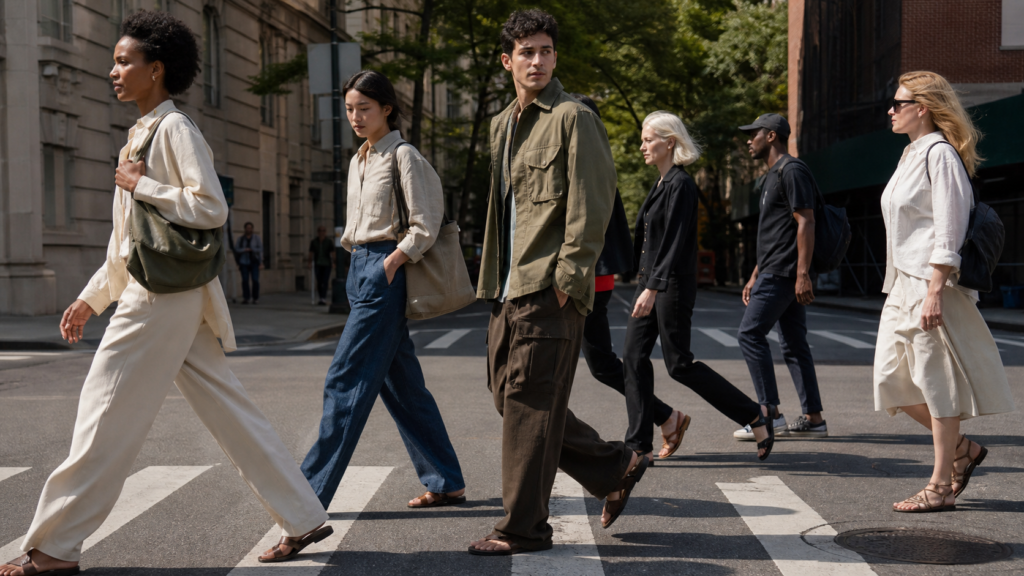
Utility dressing is having a sharper moment than the usual return of cargo pockets. In 2026, the field jacket, the work shirt, the multi-pocket bag and the washed khaki trouser are no longer just signs of outdoor practicality. They are becoming a new value signal: clothes that look desirable because they appear useful, adaptable and hard to embarrass.
That matters because fashion is moving through a period in which shoppers are asking more direct questions. Can this survive weather? Can it work with flats and tailoring? Can it travel? Can it be resold, repaired or worn three years from now? The most interesting utility pieces now sit between function and polish: a technical skirt with a crisp shirt, a cargo pant with a fine knit, a pocketed bag worn with a tailored coat.
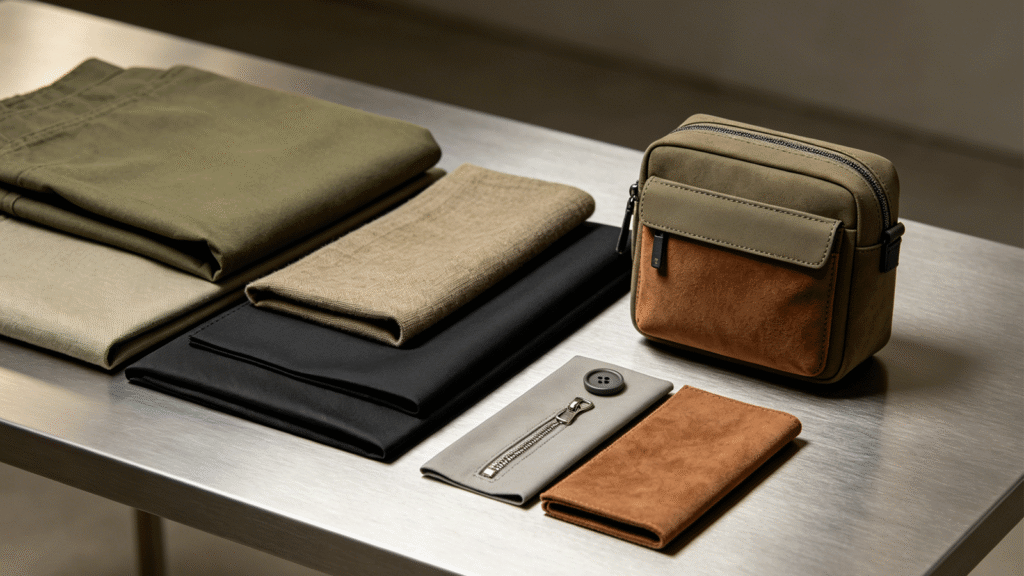
The timing is not accidental. McKinsey and The Business of Fashion describe 2026 as a year of low single-digit industry growth, macroeconomic pressure and value-conscious consumer behavior. In that climate, garments built around visible function carry a built-in argument for their existence: a pocket, a drawcord, a sturdy cotton twill or a weather-resistant nylon surface says this will participate in your life, not simply decorate it. That does not make decorative fashion less valid — it just means the bar for what earns a place in the wardrobe has risen across the board.
This is why the new utility mood feels different from the military or safari references that have cycled through fashion before. The strongest versions are less costume and more wardrobe infrastructure. Khaki is no longer only rugged; it can be soft, gray-green, olive-brown or sanded beige. On deeper skin tones, warmer olive and tobacco shades can look especially rich; on cooler undertones, stone, slate-khaki and faded mushroom can feel more precise. The point is not one universal neutral, but a palette that can absorb daily use without looking careless.
Fit is just as important as color. A cargo pant with too many stiff pockets can add bulk where the wearer may not want it. A softer wide-leg version can skim the body and make the detail feel intentional. Petite shoppers may prefer cropped field jackets or high-waisted utility skirts to avoid being swallowed by fabric. Tall shoppers can use longer chore coats and relaxed cargos without losing proportion. Plus-size and curve-friendly utility dressing works best when pockets are placed with the body in mind rather than treated as decoration pasted onto a standard block.
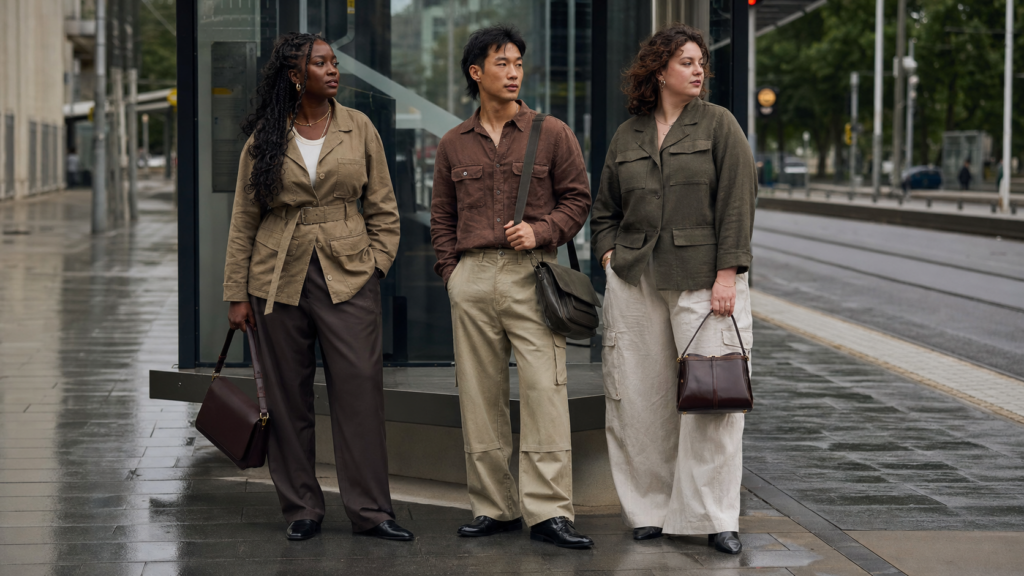
The trend also travels well across climates. In a rainy British or northern European city, utility may mean a compact jacket, water-resistant bag and trousers that do not drag on wet pavement. In a hot Australian, Mediterranean or southern U.S. summer, it may mean linen-blend shirts, breathable cotton shorts and sandals rather than heavy workwear. In North American office culture, where hybrid dressing has blurred the line between polished and casual, a utility jacket can replace a blazer on days when a blazer feels too formal but a hoodie feels too relaxed.
There are three useful ways to read the movement. First, utility is a response to trend fatigue. A pocketed jacket feels less disposable than a micro-trend because it promises repeat use. Second, utility is a softer form of status. Instead of announcing price through logo or fragility, it implies that the wearer has a life complex enough to require clothes that function. Third, utility is a resale-friendly language. Recognizable categories like field jackets, cargo trousers, chore coats and nylon bags are easier to search, style and re-circulate than highly specific novelty pieces.
The resale point is particularly important. ThredUp’s 2026 report projects the global secondhand apparel market will reach $393 billion by 2030, growing faster than the overall apparel market. That does not mean every cargo pant will hold value. It does mean shoppers are increasingly aware that a wardrobe has an afterlife. Practical categories with clear names, durable materials and flexible styling can be easier to list and easier for another person to imagine wearing.
The most shareable lesson is simple: in 2026, “useful” is no longer the opposite of stylish. It is one of the ways style proves itself. A good utility piece earns its place by solving several small problems at once: it carries things, handles weather, softens tailoring, grounds a bright color, balances a delicate dress or makes travel packing less precious. The best version does not make the wearer look like they are dressing for an expedition. It makes the rest of the wardrobe feel more capable.

The risk, of course, is that utility becomes another costume of practicality sold at luxury prices. A pocket is not automatically useful; a drawstring does not make a garment durable; khaki does not guarantee longevity. The smarter way to shop the trend is to test the promise. Are the pockets placed where you can actually use them? Does the fabric recover after sitting? Can the color work with black, denim, white, navy, brown or metallics already in your closet? Will the silhouette still make sense when the algorithm moves on?
That is where utility dressing becomes more than a 2026 aesthetic. It gives readers a practical filter for style judgment — one of many valid ways to build a wardrobe, not the only one. The clothes worth keeping are not always the plainest or the most expensive. They are the ones that make daily life easier while still leaving room for personality. In a market full of noise, that may be the most modern luxury of all.