


The End of the Safe Neutral: Why White, Brown and Grey Mean More in 2026
For most of modern fashion history, wearing neutrals meant one thing: you were playing it safe. Beige was the colour of not choosing a colour. Grey was the compromise between black and navy. White was for shirts and summer linens, not for a point
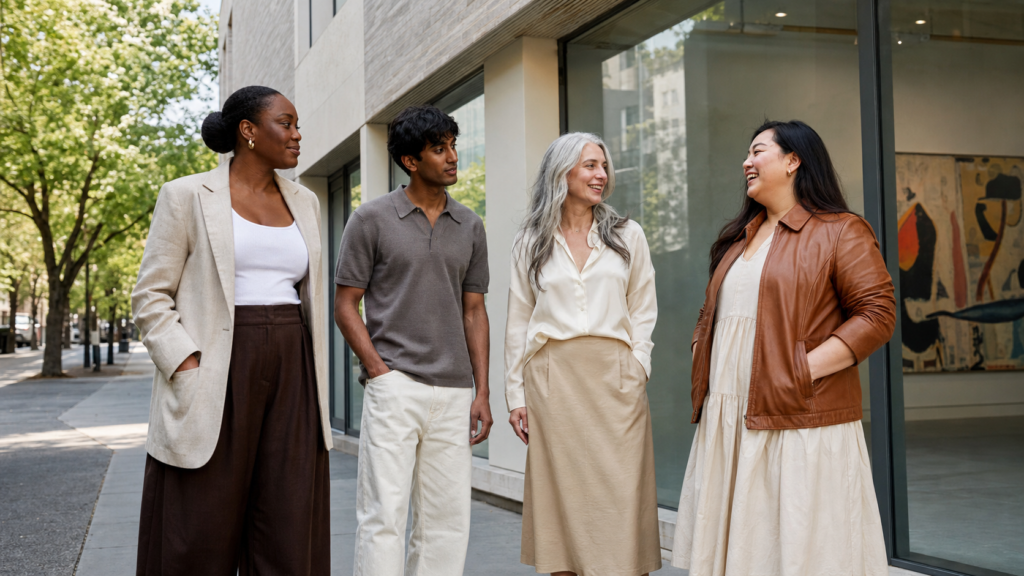
For most of modern fashion history, wearing neutrals meant one thing: you were playing it safe. Beige was the colour of not choosing a colour. Grey was the compromise between black and navy. White was for shirts and summer linens, not for a point of view. Brown was what you wore when black felt too severe but you did not want to think about it.
In 2026, that logic has quietly reversed. Neutrals are no longer the background. They are becoming fashion’s most intentional, personal and strategically loaded colours. Choosing the right off-white, the right brown or the right grey now requires taste, self-knowledge and a clear understanding of how a garment will live in a real wardrobe. The safe neutral is dead — and that is a more interesting development than it sounds.
The timing is not random. In December 2025, Pantone named Cloud Dancer — a soft, airy white — as its 2026 Colour of the Year. It is widely described as Pantone’s first white shade since the institute began naming a Colour of the Year in 1999. The choice follows a visible trajectory: Ultimate Gray in 2021, Peach Fuzz in 2024, Mocha Mousse in 2025, and now Cloud Dancer. Read together, that movement from grounding grey through comforting brown to luminous white suggests a broader cultural appetite for calm, warmth and a fresh start.
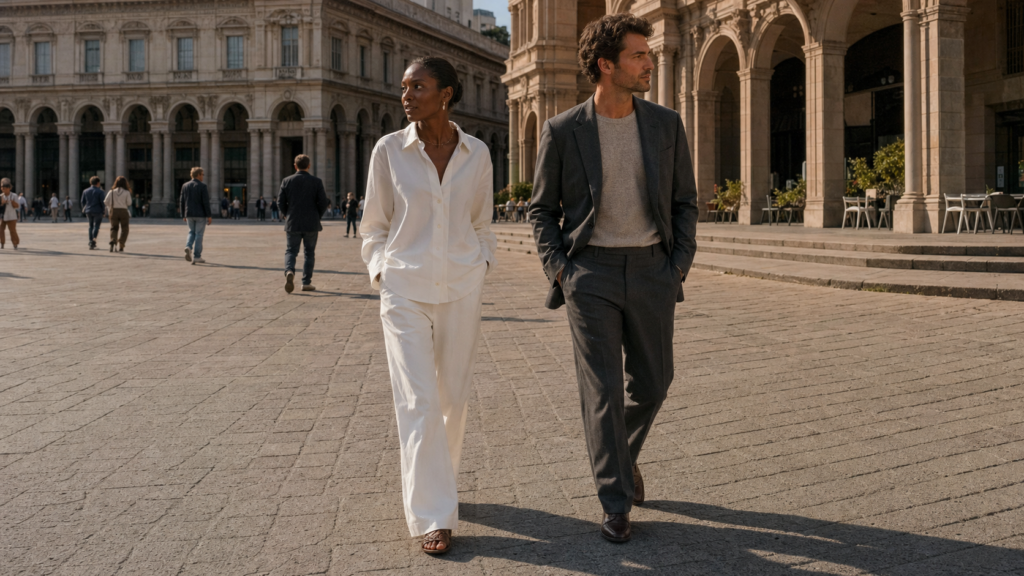
This shift is not only about Pantone. The broader consumer context has changed in ways that make neutrals more strategic than they used to be. ThredUp’s 2026 Resale Report found that 60 percent of consumers now consider resale value when buying new clothing, up double digits from the prior year, and 49 percent have reduced purchases of low-quality apparel because it holds little secondary value. In that environment, a well-chosen neutral piece — an oatmeal blazer, a chocolate brown leather bag, a pair of ecru wide-leg trousers — may be easier to describe, photograph, list and restyle than a highly seasonal colour or print. Neutrals have acquired a second function: they are not just easy to wear. They can also be easier to place in a second-hand wardrobe.
At the same time, the Spring/Summer 2026 colour conversation confirmed that neutrals are not receding. According to Pantone’s NYFW SS26 colour report, seasonless neutrals included Coffee Bean, a velvety near-black brown; Angora, a tactile soft beige; and Whyte Onyx, a luminous light grey. Across luxury and contemporary collections, especially among labels often associated with restrained palettes, neutrals appeared as more than pauses between brighter statements. The difference in 2026 is that the conversation has moved past the “quiet luxury” label and into something more practical: which neutral works for which wearer, in which climate, for which life.
That is where the personal part begins. A neutral is only neutral in the abstract. On a real person, an off-white shirt can look crisp, flat, warm or washed out depending on undertone, contrast level, fabric and light. A warm cognac brown can feel rich on one wearer and too orange on another. Mushroom grey can look sophisticated in one context and tired in another. The old advice — “every woman needs a beige trench coat” — assumed a single universal body, skin tone and lifestyle. In 2026, that assumption no longer holds. Choosing a neutral well means understanding colour temperature, fabric weight, proportion and how a shade interacts with the rest of the wardrobe.
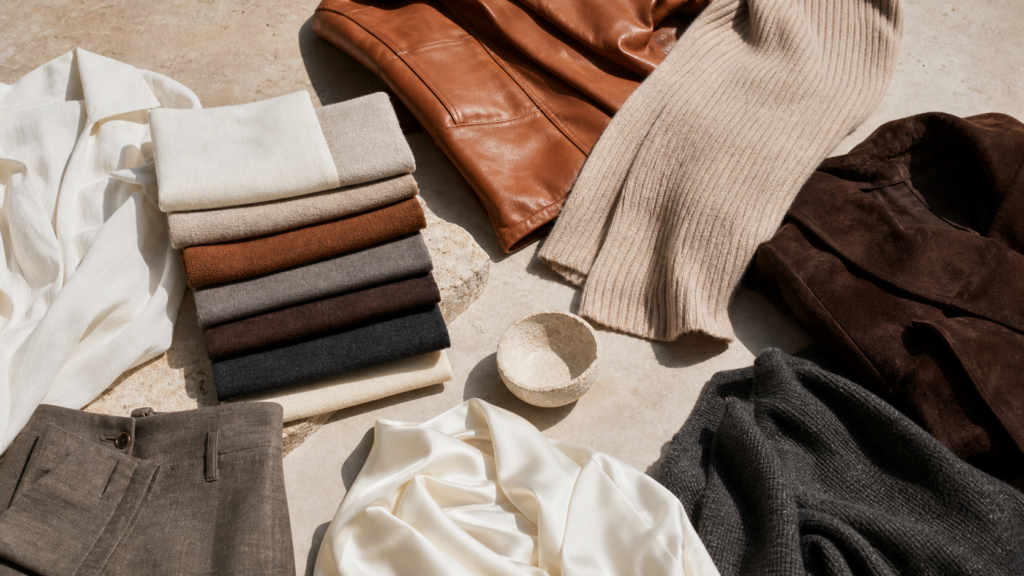
Climate complicates the picture further. An all-white linen suit reads differently in a Mediterranean summer than it does on a rainy Tuesday in Manchester. Mushroom grey and charcoal feel natural in northern European cities where overcast light softens everything, but they can look heavy under a bright Australian or Southeast Asian sun. Brown leather ages beautifully in dry climates and needs more care in humid ones. The modern neutral wardrobe is not a single palette. It is a set of climate-aware decisions.
There are three useful ways to read the new meaning of neutrals. First, neutrals have become part of the resale language. Recognisable, seasonless categories — the beige trench, the grey knit, the brown leather bag, the white shirt, the ecru trouser — can be easier for another person to imagine wearing. They often photograph clearly, search cleanly and feel less tied to a single micro-trend than a highly specific print or silhouette. That does not mean every neutral piece holds value. It means shoppers are increasingly aware that a wardrobe has an afterlife, and neutrals can navigate that afterlife more fluently than some statement pieces.
Second, neutrals have become a form of personal colour and fit awareness. The skill is not in buying beige. It is in knowing which beige, in which fabric, at which depth of colour, and why. A soft oatmeal knit near the face can be more flattering than stark optic white for some wearers. A chocolate brown trouser can anchor an outfit more gently than black, which may read as too severe or too formal in certain wardrobes. Getting neutrals right is not about following a rule. It is about paying attention to how colour behaves on a real body in real light — a skill that does not expire with the season.
Third, neutrals work as a strategic base for personality, not as a replacement for it. The most compelling neutral dressing in 2026 does not look like a minimalist uniform. It uses off-white, brown, grey and beige as a canvas for one or two deliberate choices: a saturated scarf, an unexpected shoe colour, a textured bag, a piece of jewellery that interrupts the calm. The neutral base makes the accent matter more, not less. That is a different proposition from the all-beige “quiet luxury” rooms that filled social media two years ago. It is less about hiding wealth and more about structuring attention.
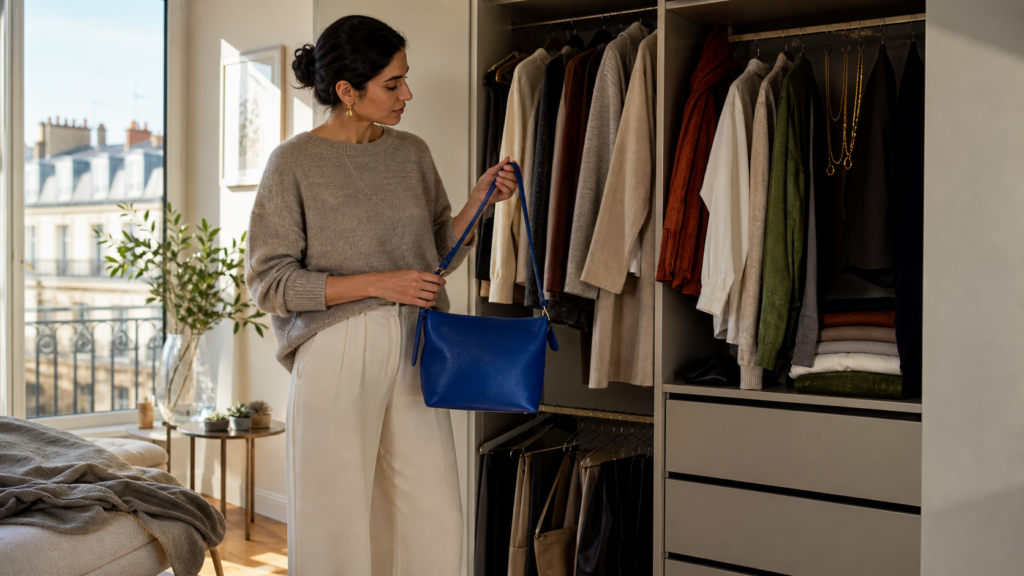
The most shareable insight is this: neutrals are no longer only the colours you choose when you do not want to think. They can be the colours you choose when you are thinking carefully about how a garment will earn its place over time — across seasons, bodies, climates and resale platforms. The shift from “safe” to “intentional” changes how neutrals should be judged. The question is not whether a piece is beige. It is whether it is the right beige, in the right weight, for the right reason.
The risk is that the neutral conversation becomes another form of elitism: an expensive beige uniform sold as good taste. Taste is not a shade of oatmeal. It is the judgment to know when a neutral serves the wearer and when it flattens them. A wardrobe built only from Cloud Dancer, Mocha Mousse and Whyte Onyx is not automatically sophisticated. It is only sophisticated if the pieces have been chosen with the same attention to fit, comfort, climate, care and personal relevance that should apply to any clothing decision.
What makes 2026 different is that neutrals are being discussed with more seriousness — not only as fashion’s quiet supporting cast, but as colours that carry real weight in how people dress, shop, resell and define their style. The safe neutral may not be gone for everyone, but it is no longer the whole story. In its place is something more demanding and more rewarding: neutrals that have to earn their place, just like everything else in the wardrobe.